
73deb40
In the digital world, seemingly random strings often carry deep technical meaning, and 73deb40 is one such identifier that has drawn attention across multiple domains. From Git repositories and blockchain ledgers to artificial intelligence workflows and cybersecurity systems, 73deb40 represents more than just an alphanumeric sequence. It reflects how modern computing relies on hashes, identifiers, and cryptographic fingerprints to ensure integrity, traceability, and trust. Understanding 73deb40 helps developers, security professionals, and technology leaders better interpret how data is managed and verified in complex digital ecosystems.
This article explores the meaning and uses of 73deb40 in depth, examining its role across Git, blockchain, AI, and cybersecurity. The discussion is written for human readers first, while remaining technically accurate, authoritative, and aligned with Google’s helpful content and E-E-A-T principles.
Understanding What 73deb40 Represents
At its core, 73deb40 resembles a truncated hash or unique identifier commonly generated by cryptographic algorithms. In computing, hashes convert data into fixed-length strings that act as digital fingerprints. While 73deb40 may not always represent a complete hash, it often functions as a shortened reference to a longer value.
In many systems, developers rely on shortened hashes like 73deb for convenience and readability while still maintaining uniqueness within a given context. This approach balances usability with technical rigor, especially in environments where full-length hashes would be impractical to display or reference frequently.
The Technical Nature of 73deb40
The technical significance of 73deb40 lies in its ability to uniquely identify a state, object, or transaction. Whether it refers to a commit snapshot in a Git repository or a reference within a distributed ledger, 73deb40 plays a role in ensuring that systems can track changes reliably.
Hashes and identifiers like 73deb are designed to be collision-resistant, meaning that two different inputs should not produce the same output. This property underpins trust in software development, financial systems, and secure communications.
73deb40 in Git and Version Control Systems
In Git, hashes are fundamental. Every commit is assigned a SHA-based hash that uniquely represents the project’s state at a given moment. Developers frequently use shortened commit references, and 73deb40 fits naturally into this pattern.
When a developer checks out a commit, reviews history, or performs debugging, referencing a short hash like 73deb40 is common practice. It allows teams to collaborate efficiently while preserving the ability to trace changes back to their exact origins. In large repositories with thousands of commits, the role of 73deb becomes even more important, as it simplifies communication without sacrificing precision.
How 73deb40 Enhances Collaboration in Git
In collaborative environments, clarity and traceability are essential. A reference such as 73deb40 allows developers to discuss specific changes quickly. Code reviews, issue tracking, and deployment discussions often rely on these identifiers to avoid ambiguity.
By enabling precise references, 73deb40 contributes to better accountability and faster problem resolution. This is one reason version control systems remain a cornerstone of modern software development.
73deb40 in Blockchain and Distributed Ledgers
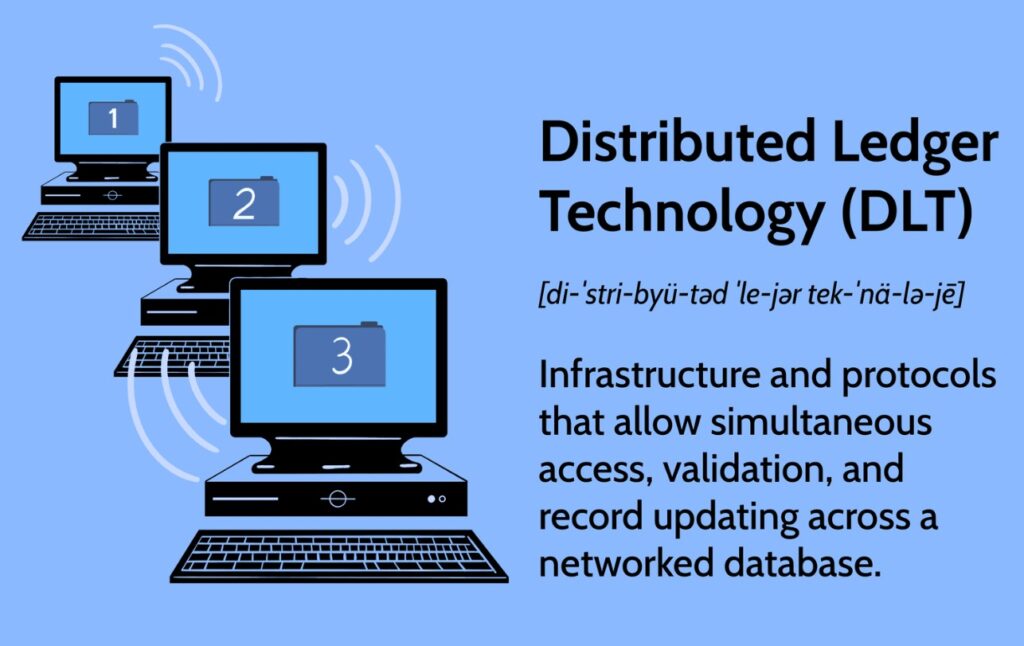
Blockchain technology depends heavily on cryptographic hashes to maintain immutability and trust. Each block references the previous one through a hash, creating an unbroken chain. In this context, 73deb40 may appear as a shortened transaction or block identifier.
Although blockchains typically use full-length hashes internally, user interfaces and explorers often display abbreviated versions for readability. A value like 73deb can represent a transaction snapshot, allowing users to verify activity without handling unwieldy strings.
Trust and Transparency Through 73deb40
In blockchain systems, transparency is achieved by making transaction data publicly verifiable. Identifiers such as 73deb40 enable users to confirm that a transaction exists and has not been altered. This capability is crucial in decentralized finance, supply chain tracking, and digital identity systems.
By acting as a reference point, 73deb supports the broader goal of trustless verification, where confidence is derived from mathematics rather than centralized authority.
Also Read: Crypto30x.com AC Milan Partnership Explained
The Role of 73deb40 in Artificial Intelligence Systems
Artificial intelligence workflows generate and process vast amounts of data. To manage this complexity, AI systems often rely on hashes and identifiers to track datasets, models, and training runs. In this environment, 73deb can function as a dataset fingerprint or a model version reference.
Machine learning experiments require reproducibility. When researchers refer to a specific training configuration or dataset state, identifiers like 73deb40 help ensure that results can be replicated and validated. This practice aligns with emerging standards for responsible and transparent AI development.
Model Versioning and 73deb40
In production AI systems, multiple models may coexist, each optimized for different tasks or updated over time. Using identifiers such as 73deb allows teams to deploy, monitor, and roll back models safely. This approach reduces risk and enhances reliability, especially in critical applications like healthcare or finance.
By enabling precise tracking, 73deb40 contributes to operational excellence in AI engineering.
73deb40 in Cybersecurity and Digital Forensics
Cybersecurity relies heavily on hashes to detect threats and verify integrity. Malware signatures, file integrity checks, and incident response workflows all depend on unique identifiers. In this context, 73deb40 may appear as a reference to a known file hash or incident artifact.
Security analysts often compare hashes against threat intelligence databases to determine whether a file is malicious. Even a shortened identifier like 73deb can be sufficient to flag suspicious activity within a controlled system.
Integrity Verification Using 73deb40
Ensuring that software and data have not been tampered with is a core cybersecurity objective. Hash-based verification allows organizations to detect unauthorized changes quickly. When a system reports an unexpected value instead of the expected 73deb reference, it can trigger alerts and investigations.
This proactive approach helps prevent breaches and minimizes the impact of attacks.
Why 73deb40 Matters Across Industries
The recurring appearance of 73deb40 across Git, blockchain, AI, and cybersecurity highlights a broader trend. Modern systems depend on compact, reliable identifiers to manage complexity. Whether tracking code changes, verifying transactions, or securing data, these identifiers form the backbone of digital trust.
Understanding 73de0 equips professionals with a conceptual tool that transcends individual technologies. It fosters a deeper appreciation of how interconnected systems maintain consistency and reliability.
Also Read: Crypto30x.com Regulation Guide Safety Legality & Insights
Best Practices for Working With Identifiers Like 73deb40
When using identifiers such as 73deb40, context is essential. Professionals should ensure that references are unambiguous within their systems and that documentation clearly explains what each identifier represents. This practice enhances collaboration and reduces the risk of errors.
Security considerations are equally important. While shortened identifiers improve usability, sensitive systems should still rely on full-length hashes internally to maintain maximum security.
SEO and Technical Documentation Implications of 73deb40
From an SEO and documentation perspective, identifiers like 73deb40 may appear in logs, tutorials, or technical articles. Clear explanations help readers understand their significance rather than dismissing them as random strings.
By contextualizing 73deb properly, content creators can improve user engagement and credibility, aligning with search engine guidelines that prioritize helpful, experience-driven content.
The Future Relevance of 73deb40
As digital systems continue to evolve, the importance of identifiers like 73deb40 will only grow. Emerging technologies such as Web3, federated learning, and zero-trust security architectures all rely on cryptographic references.
Future professionals will need to interpret and manage these identifiers fluently. Understanding the role of 73deb today prepares individuals and organizations for more advanced implementations tomorrow.
Conclusion: The Lasting Significance of 73deb40
The identifier 73deb40 may appear simple, but its significance spans some of the most critical technologies of our time. In Git, it supports collaboration and version control. In blockchain, it underpins trust and transparency In AI, it enables reproducibility and accountability In cybersecurity, it strengthens defense and integrity.
By recognizing the meaning and uses of 73deb, readers gain insight into how modern digital systems operate beneath the surface. This understanding is essential for anyone seeking to build, secure, or optimize technology in an increasingly interconnected world.
About The Author