bread maker
A bread maker has quietly become one of the most valuable appliances in the modern kitchen, especially for people who care about freshness, nutrition, and convenience. In an age where store-bought bread is often filled with preservatives, added sugars, and artificial ingredients, the appeal of baking bread at home has never been stronger. What once required hours of kneading, proofing, and baking can now be achieved with the push of a button.
This guide explores everything you need to know about a bread maker, from how it works and why it matters to how to choose the right model and get consistently excellent results. Written from a practical, experience-driven perspective, this article is designed to help real users make informed decisions rather than overwhelm them with shallow advice.
Also Read: Nowon East Village A Korean Culinary Gem in NYC’s Trendy East Village
Understanding What a Bread Maker Is and How It Works
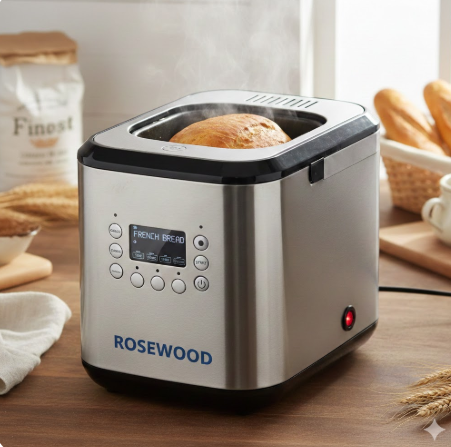
A bread maker, sometimes called a bread machine, is a compact countertop appliance designed to automate the entire bread-making process. It mixes ingredients, kneads dough, allows it to rise, and bakes the loaf in a single enclosed unit. This controlled environment eliminates much of the guesswork associated with traditional bread baking.
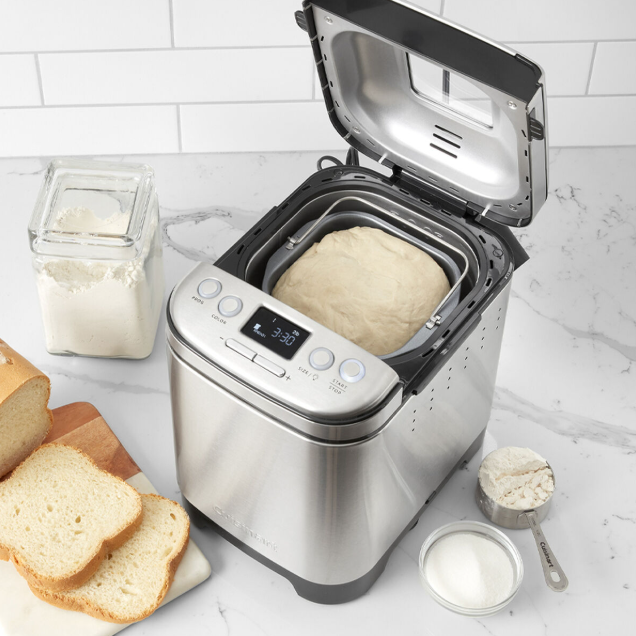
Inside a bread maker, a non-stick baking pan houses one or two kneading paddles that replicate hand kneading. Heating elements regulate temperature precisely, which is critical for yeast activation and proper dough development. Modern machines rely on pre-programmed cycles that adjust mixing speed, rise time, and baking temperature depending on the selected bread type.
From white bread and whole wheat loaves to sourdough, gluten-free bread, and even pizza dough, a quality bread maker offers consistency that is difficult to achieve manually, especially for beginners.
Why Bread Makers Have Gained Popularity in Recent Years
The renewed interest in bread makers is not accidental. Several lifestyle and health trends have pushed consumers toward homemade alternatives. Rising food costs, increased awareness of ingredient transparency, and a desire to reduce processed foods have all played a role.
Home bakers value the ability to control exactly what goes into their bread. Using a bread maker allows you to avoid preservatives, emulsifiers, and excess sodium commonly found in commercial loaves. This level of control is particularly important for families with dietary restrictions or food sensitivities.
Convenience is another major factor. A bread maker saves time without sacrificing quality. Once ingredients are added, the machine does the work, freeing the user to focus on other tasks. For busy households, this balance of automation and freshness is hard to beat.
Also Read: Mannacote A Comprehensive Guide to Its Meaning, Uses
The Real Benefits of Using a Bread Maker at Home
One of the most practical advantages of owning a bread maker is consistency. Unlike manual baking, where environmental factors like humidity and temperature can affect results, a bread maker provides a stable baking environment. This leads to reliable outcomes, even for novice bakers.
Cost efficiency is another often overlooked benefit. While the initial purchase of a bread maker requires an investment, the long-term savings can be significant. Homemade bread typically costs less per loaf than premium store-bought options, especially when made regularly.
From a nutritional standpoint, a bread maker empowers healthier eating. You can adjust sugar levels, choose high-quality flours, incorporate seeds or grains, and experiment with alternative ingredients such as almond flour or oat flour. This flexibility makes a bread maker especially valuable for people managing diabetes, heart health, or weight control.
Types of Bread Makers and How They Differ
Bread makers are not one-size-fits-all appliances. Entry-level models focus on basic functions like white and whole wheat bread, while advanced machines include customizable settings, delayed timers, and specialized cycles.
Standard bread makers are ideal for everyday use and produce consistent loaves with minimal user input. These machines are typically affordable and suitable for beginners.
Advanced bread makers cater to experienced users who want greater control. They allow manual adjustment of kneading time, rise cycles, and crust color. Some models include dual paddles for better dough mixing and more evenly shaped loaves.
Compact bread makers are designed for smaller kitchens or individuals who prefer smaller loaf sizes. Though limited in capacity, they still deliver quality results and are energy-efficient.
Also Read: Fruit Basket Delivery A Thoughtful and Healthy Gift Choice
Choosing the Right Bread Maker for Your Needs
Selecting the best bread maker depends on how you plan to use it. Household size, dietary needs, and baking frequency all matter. A family that consumes bread daily may benefit from a larger-capacity machine, while occasional users may prefer a simpler model.
Pay attention to loaf size options, as most bread makers offer settings ranging from one to two pounds. Crust control is another important feature, allowing you to choose between light, medium, or dark crusts.
Build quality and reliability are essential. Reputable brands with strong customer support and long-term warranties tend to perform better over time. Reading user reviews and professional evaluations can provide insight into real-world performance.
Bread Maker Recipes and What You Can Make Beyond Bread
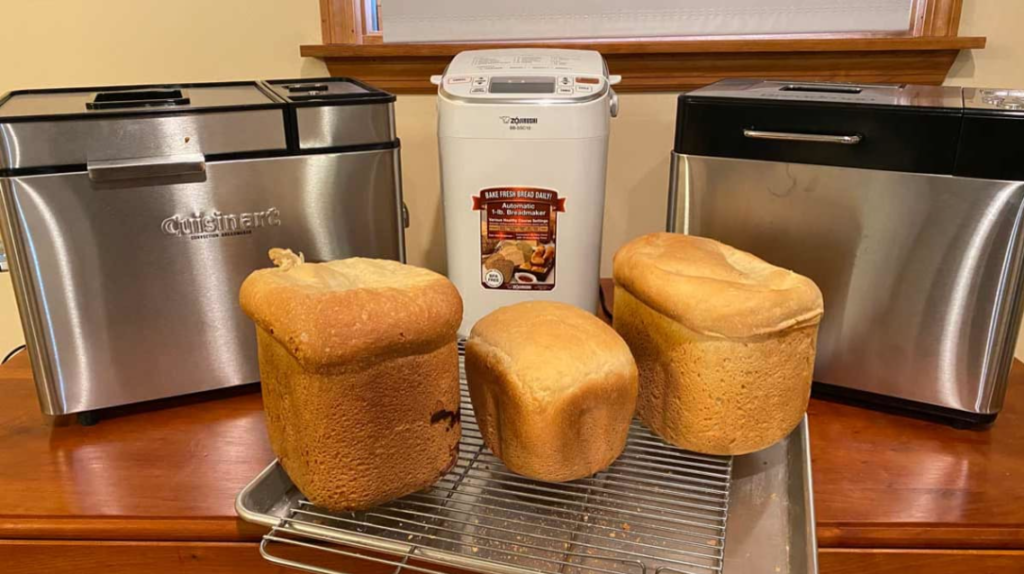
Although bread is the primary function, a bread maker is far more versatile than many people realize. Most machines include settings for dough-only cycles, which are ideal for pizza crusts, rolls, and buns.
Sweet breads such as banana bread and cinnamon raisin loaves are also popular choices. Some bread makers support jam-making cycles, allowing users to prepare fruit preserves with minimal effort.
Advanced users often experiment with artisan-style loaves, adding ingredients like olives, herbs, nuts, and seeds. With practice, a bread maker can become a creative tool rather than just a convenience appliance.
Also Read: Fruit Basket The Perfect Gift for Every Occasion
Common Mistakes and How to Avoid Them
Despite their ease of use, bread makers are not completely foolproof. One of the most common mistakes is incorrect ingredient measurement. Precision matters, especially with yeast and liquid ratios. Using a digital kitchen scale improves accuracy and consistency.
Ingredient order is another critical factor. Most bread makers require liquids first, followed by dry ingredients, with yeast added last. Ignoring this order can prevent proper yeast activation.
Environmental conditions also play a role. High humidity may require slight flour adjustments, while colder kitchens may affect rise times. Understanding these variables improves long-term results.
Maintenance, Cleaning, and Long-Term Care
Proper maintenance ensures your bread maker lasts for years. Cleaning the baking pan and kneading paddles after each use prevents residue buildup and protects the non-stick coating.
Avoid submerging the main unit in water. A damp cloth is sufficient for cleaning the interior and exterior. Regular inspection of paddles and seals helps identify wear before it affects performance.
Storing the bread maker in a dry, well-ventilated area extends its lifespan and prevents electrical issues.
Frequently Asked Questions About Bread Makers
Is a bread maker worth buying?
For people who value fresh, preservative-free bread and convenience, a bread maker is a worthwhile investment that pays off over time.
Can a bread maker replace an oven?
While it cannot fully replace an oven, a bread maker handles most bread-related tasks efficiently and consistently.
How long does bread take in a bread maker?
Most cycles range between two and four hours, depending on the type of bread and selected settings.
Are bread makers good for gluten-free bread?
Many modern bread makers include dedicated gluten-free settings that improve texture and rise compared to manual baking.
Conclusion: Is a Bread Maker Right for You?
A bread maker is more than a kitchen gadget; it is a practical solution for healthier eating, cost savings, and culinary independence. By combining automation with control, it allows users to enjoy fresh bread tailored to their preferences without mastering traditional baking techniques.
Whether you are a beginner seeking simplicity or an experienced baker looking for consistency, a bread maker offers real value. With the right machine and a basic understanding of ingredients and settings, homemade bread becomes a reliable part of everyday life rather than an occasional project.
About The Author