alani energy drink
Energy drinks have exploded in popularity over the past decade, with consumers seeking convenient ways to boost focus, energy, and productivity. Among the newest brands to capture massive attention is the alani energy drink, a colorful, low-calorie beverage marketed as a cleaner and more balanced alternative to traditional energy drinks. Known for its bright cans, trendy flavors, and strong social media presence, this drink has quickly become a favorite among fitness enthusiasts, students, and professionals alike.
But what exactly makes the alani energy drink different from other energy beverages? Is it actually healthier than competitors, or is it just clever marketing? Understanding the ingredients, caffeine levels, nutrition facts, and brand background can help consumers make informed decisions.
This comprehensive guide explores everything you need to know about the alani energy drink, including its flavors, ingredients, caffeine content, health considerations, and overall value. By the end, you’ll have a clear picture of whether this popular beverage fits into your lifestyle.
What Is Alani Energy Drink?
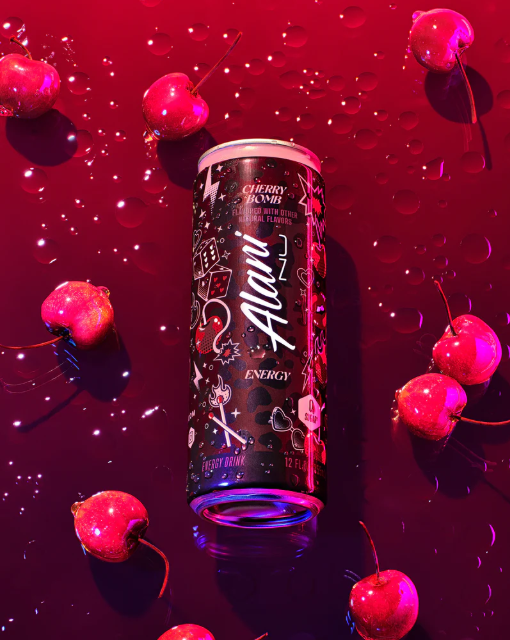
The alani energy drink is part of the Alani Nu brand, a lifestyle and nutrition company known for producing supplements, protein products, and wellness beverages. Designed with modern consumers in mind, the drink combines caffeine, vitamins, and flavor in a low-calorie formula.
Unlike many traditional energy drinks that contain high amounts of sugar, the alani energy drink focuses on zero sugar formulations. Most varieties contain only about 10 calories per can while still delivering a significant caffeine boost.
This balance between flavor and nutrition is one reason the beverage has gained popularity in gyms, universities, and online fitness communities. Many consumers view the alani energy drink as a stylish and functional alternative to heavier, sugar-loaded energy drinks.
Another factor contributing to its popularity is branding. Bright packaging, influencer partnerships, and trendy flavors make the alani energy drink stand out in crowded store shelves.
Alani Energy Drink Owner and Brand Background
To understand the success of the alani energy drink, it’s helpful to look at the brand behind it.
Alani Nu was founded by fitness entrepreneur Katy Hearn and her husband Hayden Schneider. The company initially focused on supplements and wellness products designed for people interested in health, fitness, and balanced living.
The launch of the alani energy drink expanded the brand beyond supplements into the ready-to-drink beverage market. Through strong online marketing and partnerships with major retailers, the brand quickly gained traction.
Today, the alani energy drink is widely available in grocery stores, gyms, convenience stores, and online platforms. The brand continues to grow as more consumers search for energy drinks that align with modern wellness trends.
Also Read:- Pink Drink: The Complete Guide to Starbucks & Homemade Recipes, Benefits, and More
Alani Energy Drink Ingredients Explained

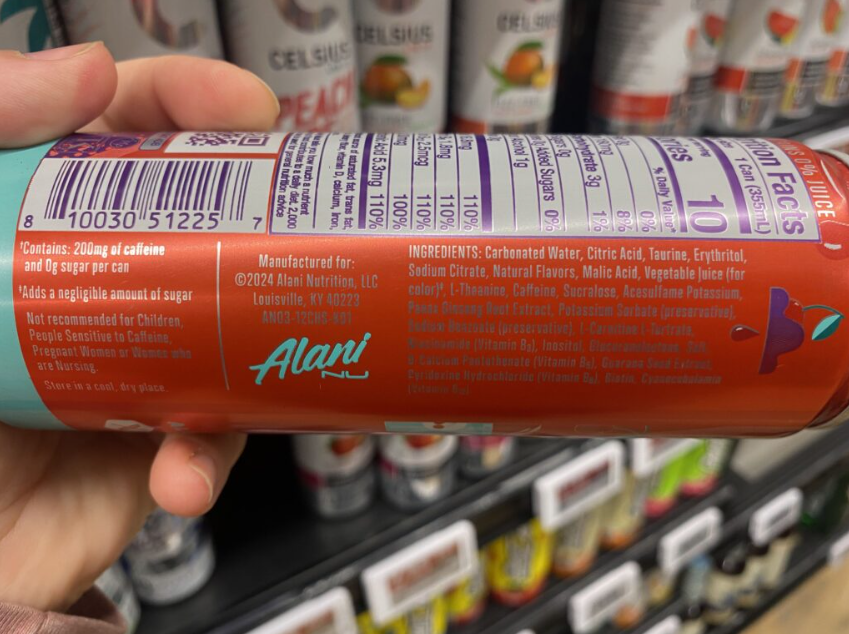
One of the most common questions consumers ask is about alani energy drink ingredients. Understanding what goes into the beverage can help determine whether it fits within a healthy lifestyle.
The typical ingredient profile of an alani energy drink includes caffeine, B vitamins, carbonation, flavoring agents, and natural sweeteners. Each ingredient plays a specific role in delivering energy, taste, or preservation.
Caffeine
Caffeine is the primary stimulant in the alani energy drink. It increases alertness, reduces fatigue, and can improve focus and reaction time. The caffeine is typically sourced from natural coffee beans.
B Vitamins
B vitamins such as B6 and B12 are included in most alani energy drink varieties. These vitamins support metabolism and help the body convert food into energy.
Carbonated Water
The beverage base is carbonated water, which provides the refreshing fizz associated with many energy drinks.
Sweeteners
Instead of sugar, the alani energy drink often uses sweeteners such as sucralose or other low-calorie alternatives. This allows the drink to remain low in calories while maintaining a sweet taste.
Flavor Compounds
Natural and artificial flavoring agents create the wide variety of alani energy drink flavors that attract consumers.
Also Read:- Beatbox Drink: The Ultimate Guide to Flavors, Price, Alcohol Content & More
Alani Energy Drink Caffeine Content
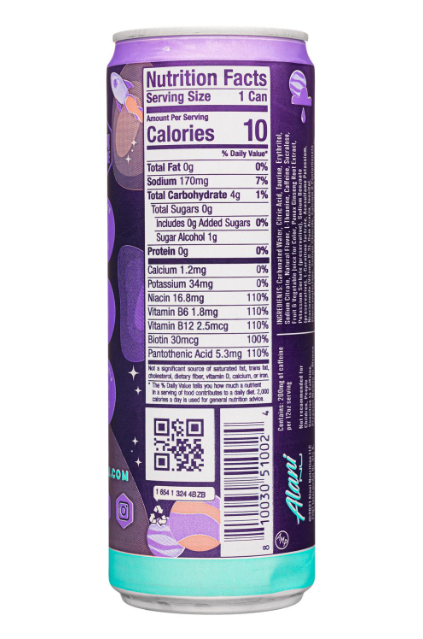
Caffeine levels are one of the most important factors when evaluating any energy drink.
Each alani energy drink can typically contains around 200 milligrams of caffeine. This amount places it in the moderate-to-high range compared to other energy beverages.
For comparison:
Coffee (8 oz) averages about 80–100 mg of caffeine.
Many traditional energy drinks contain 150–300 mg per can.
The caffeine level in the alani energy drink is designed to provide a noticeable boost in energy without reaching extreme stimulant levels.
Health organizations like the U.S. Food and Drug Administration suggest that healthy adults can safely consume up to 400 milligrams of caffeine per day. One can of alani energy drink therefore provides roughly half of the recommended daily maximum.
However, individuals who are sensitive to caffeine should monitor their intake carefully.
Also Read:- Shirley Temple Drink Recipe, History & Dirty Shirley Guide
Alani Energy Drink Nutrition Facts
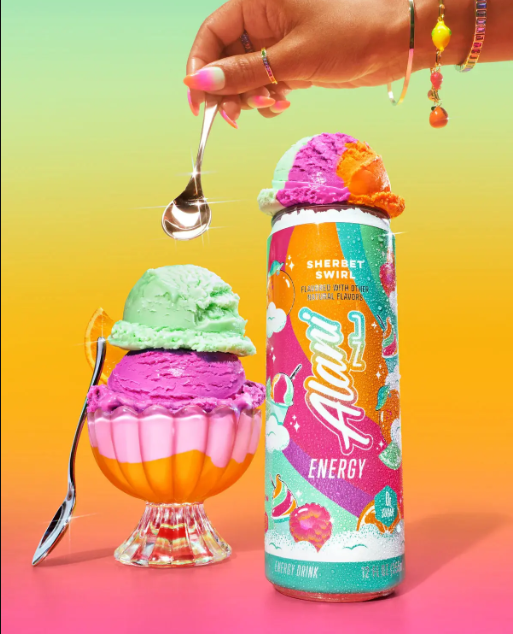
Another key consideration when choosing an energy drink is its nutritional profile.
The typical alani energy drink nutrition facts include:
Calories: approximately 10 per can
Sugar: 0 grams
Total carbohydrates: minimal
Caffeine: around 200 mg
B vitamins: high percentages of daily recommended intake
Because the alani energy drink contains zero sugar, it appeals to consumers who are following low-calorie or low-carb diets. This is especially attractive for people pursuing fitness goals or weight management.
The inclusion of B vitamins also supports the brand’s positioning as a functional beverage designed to enhance energy and focus.
Also Read:- Vodka Drink: The Ultimate Guide to Recipes, Ideas, and the Best Mixes
Alani Energy Drink Flavors
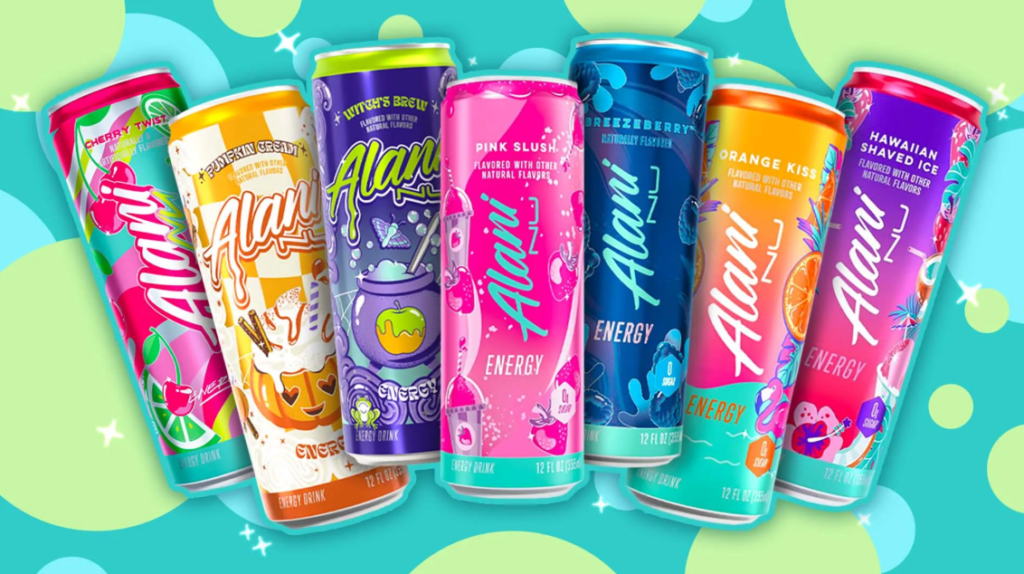
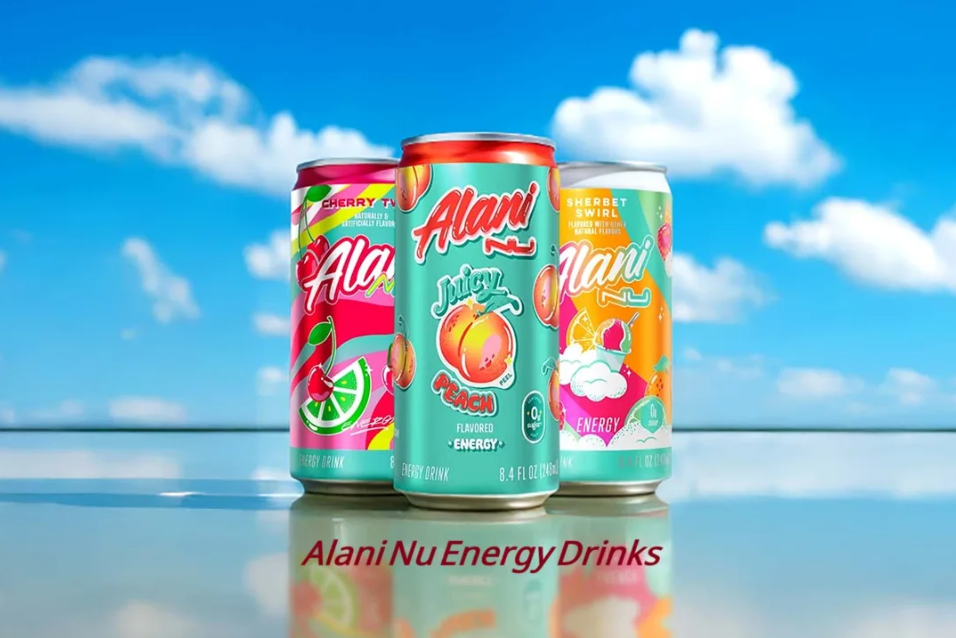
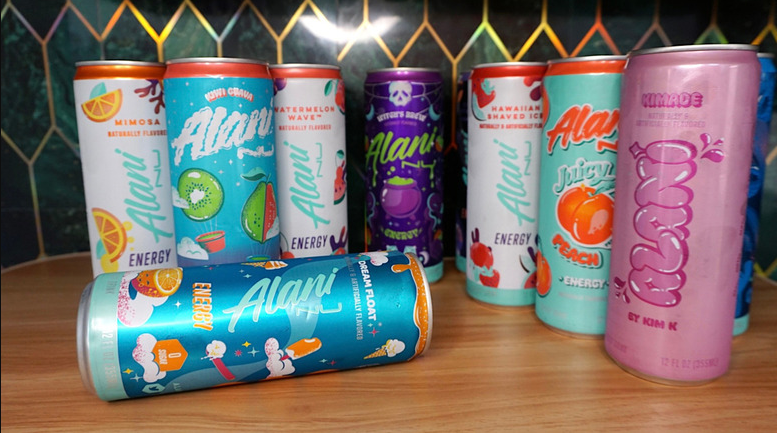
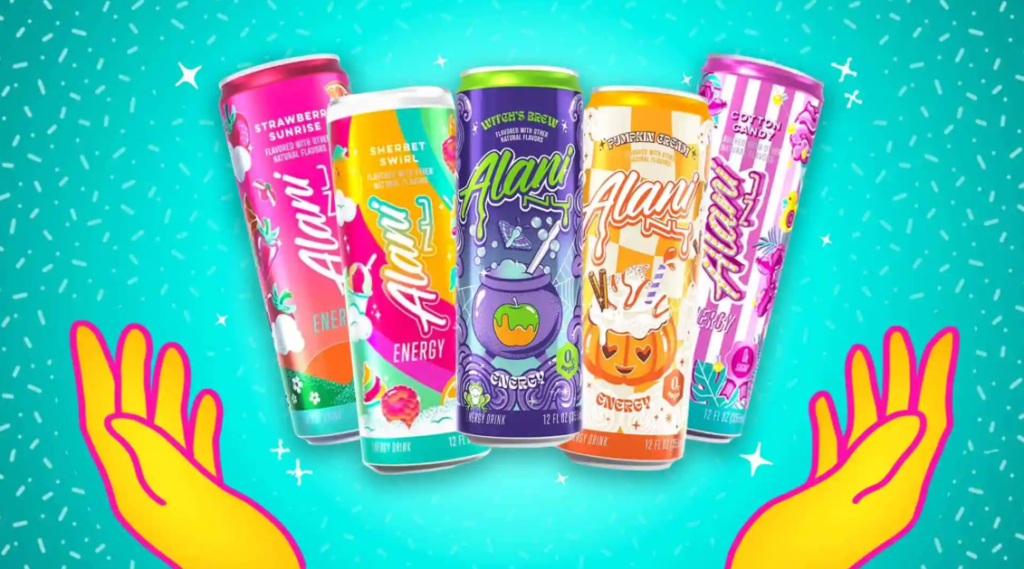
Flavor variety is one of the most exciting aspects of the alani energy drink lineup. The brand regularly releases creative and limited-edition options that keep consumers engaged.
Popular alani energy drink flavors include fruity, candy-inspired, and tropical combinations that feel more like soft drinks than traditional energy beverages.
Examples of widely known flavors include:
Cherry Slush
Cosmic Stardust
Breezeberry
Hawaiian Shaved Ice
Troposcicle
Pink Slush
Each alani energy drink flavor offers a sweet, vibrant taste without the heavy sugar content found in many competing drinks.
The brand frequently launches seasonal flavors and collaborations, which helps maintain excitement around the product line.
Also Read:- John Daly Drink: The Complete Guide to the Famous Cocktail, Recipe, and Brand
Is Alani Energy Drink Healthy?

A common question consumers ask is: is alani energy drink healthy?
The answer depends on several factors including individual health conditions, caffeine tolerance, and consumption habits.
From a nutritional perspective, the alani energy drinks has several advantages compared to traditional energy drinks:
It contains no sugar.
It has very low calories.
It includes vitamins that support metabolism.
For individuals seeking a low-calorie energy boost, the alani energy drinks may be a better option than sugar-heavy alternatives.
However, the presence of caffeine means moderation is important. Drinking several cans per day could lead to excessive caffeine intake.
For most healthy adults, consuming one alani energy drinks occasionally is unlikely to cause health issues.
Also Read:- Bloom Energy Drink: A Comprehensive Guide to Ingredients, Caffeine, and Health Benefits
Is Alani Energy Drink Bad for You?
Another frequently asked question is is alani energy drinks bad for you.
Like many energy beverages, the answer depends on how it is consumed.
Potential concerns include caffeine sensitivity, stimulant overconsumption, and interactions with certain medical conditions.
Possible side effects of excessive energy drink consumption include:
Increased heart rate
Anxiety or jitteriness
Sleep disruption
Digestive discomfort
These effects are not unique to the alani energy drinks and apply to most caffeinated beverages.
People who are pregnant, under 18, or sensitive to caffeine should consult a healthcare professional before regularly consuming energy drinks.
When consumed responsibly, most adults can enjoy the alani energy drinks without significant risk.
Also Read:- Kamikaze Shot: What It Is, How to Make It, and the Famous Blue Kamikaze Shot Recipe
Who Makes Alani Energy Drink?
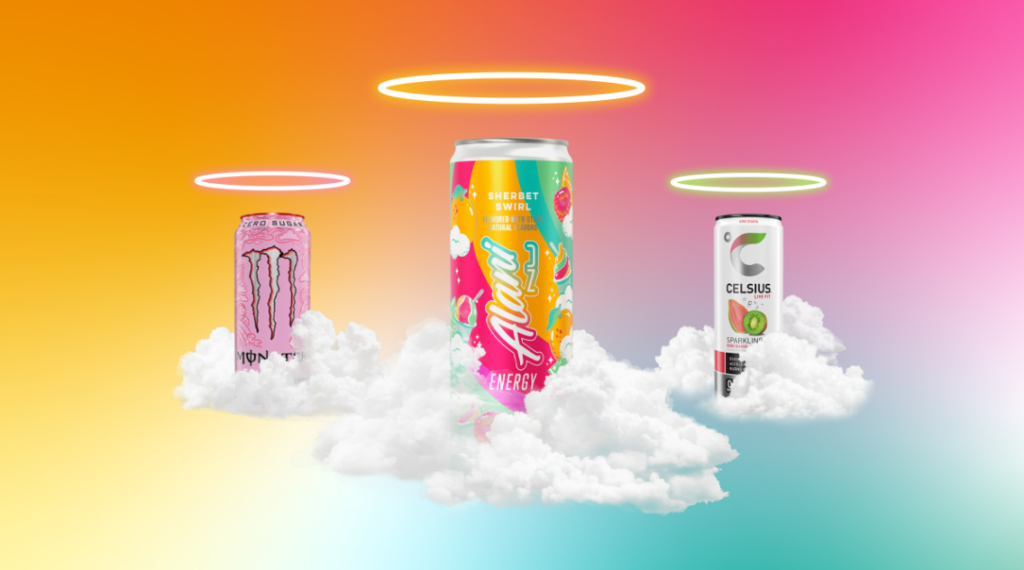
Many consumers searching online ask who makes alani energy drinks.
The beverage is produced by the Alani Nu brand, which focuses on lifestyle nutrition products. The company collaborates with beverage manufacturers and distributors to produce and distribute the alani energy drinks across the United States and internationally.
The brand’s strategy focuses heavily on digital marketing, influencer partnerships, and community engagement. This modern marketing approach has played a major role in the rapid rise of the alani energy drinks.
Also Read:- Green Tea Shot: What It Is, What’s in It, and How to Make It Perfectly
Alani Energy Drink Review: Taste, Energy, and Value
To better understand the product’s popularity, it’s helpful to look at a general alani energy drinks review.
Taste
Many consumers praise the alani energy drinks for its smooth and sweet taste. Unlike some energy drinks that have a strong chemical aftertaste, these beverages often taste more like flavored soda.
Energy Boost
The caffeine content provides a noticeable but relatively balanced energy boost. Users often report improved focus and alertness without the intense crash sometimes associated with stronger energy drinks.
Packaging
Bright, colorful cans make the alani energy drinks visually appealing and highly recognizable.
Price
The drink is usually priced similarly to other premium energy beverages, though prices may vary by retailer.
Overall, reviews suggest that the alani energy drinks delivers a good balance between flavor, energy, and nutritional profile.
Also Read:- Hypnotic Drink: Complete Guide to Meaning, Recipe, Price, and Availability
Comparing Alani Energy Drink to Other Energy Drinks
When evaluating the alani energy drinks, it’s helpful to compare it with other popular energy beverages.
Traditional energy drinks often contain 25–30 grams of sugar per can. In contrast, the alani energy drink eliminates sugar entirely.
Some energy drinks contain extremely high caffeine levels exceeding 300 milligrams per serving. The alani energy drink maintains a moderate level around 200 milligrams.
This balance allows the beverage to appeal to consumers seeking a more controlled energy boost.
Also Read:- Branzino Fish Guide: Taste, Recipes, Origin & Benefits
The Future of the Alani Energy Drink Brand
The alani energy drinks continues to grow as the energy beverage market evolves. Consumers are increasingly interested in drinks that combine performance benefits with lower sugar content.
With strong branding and expanding flavor options, the alani energy drinks is well positioned to compete with established energy drinks brands.
Future developments may include new formulations, additional flavors, and broader international distribution.
Also Read:- Jumex Hard Nectar: Complete Guide, Reviews, Sugar Content & Where to Find It Near You
Conclusion
The alani energy drinks has quickly become one of the most recognizable modern energy beverages. With zero sugar, low calories, and a moderate caffeine boost, it appeals to consumers seeking a more balanced alternative to traditional energy drinks.
Understanding the ingredients, caffeine levels, nutrition facts, and brand background helps explain why the alani energy drinks continues to grow in popularity. While it may not be suitable for everyone, responsible consumption can allow many adults to enjoy its energy and flavor benefits.
Whether you’re exploring new energy drinks, looking for low-calorie options, or simply curious about the hype, the alani energy drinks stands out as a major player in today’s evolving beverage market.
For More UpdateS Visit: Supreme Magazine
About The Author