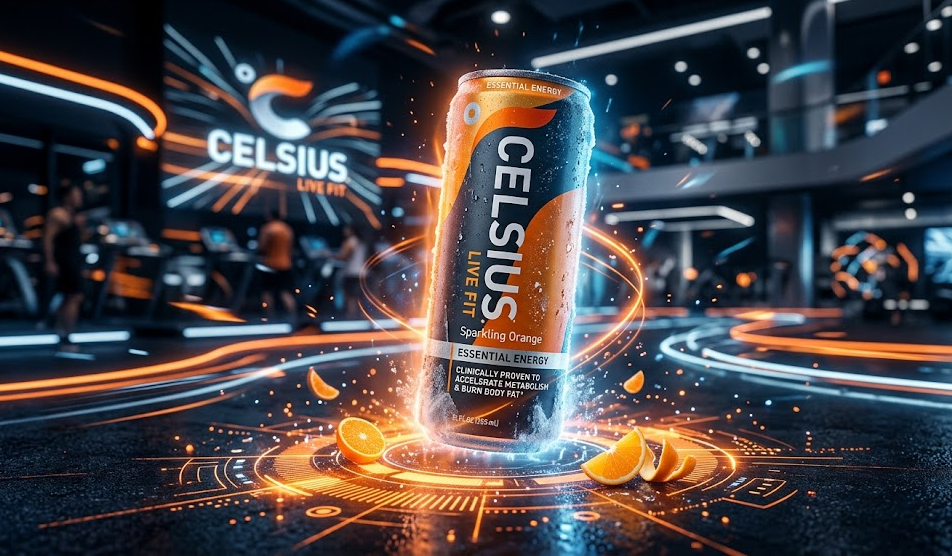
celsius drink
Energy drinks have become extremely popular in recent years, especially among people looking for a quick boost of energy, focus, and performance. One brand that has gained significant attention is the Celsius drink. Marketed as a fitness-friendly energy beverage, it promises increased metabolism, improved performance, and sustained energy without the crash often associated with traditional energy drinks.
But many people still ask important questions such as: what is Celsius drink, how much celsius drink caffeine it contains, whether there are celsius drink side effects, and if it is actually healthy or potentially harmful.
This in-depth guide will explain everything you need to know about the Celsius drink, including its ingredients, caffeine content, available flavors, powdered packets, and even the controversy surrounding the celsius drink lawsuit. By the end of this article, you will clearly understand whether this beverage is right for you.
What Is Celsius Drink?
The Celsius drink is a fitness-focused energy beverage designed to boost energy, metabolism, and physical performance. It is marketed as a healthier alternative to traditional energy drinks and is often consumed before workouts.
Unlike many sugary energy drinks, Celsius promotes itself as a beverage made with natural ingredients, vitamins, and metabolism-supporting compounds. It is widely used by athletes, gym enthusiasts, and individuals who want sustained energy throughout the day.
The drink was created by the company Celsius Holdings, Inc., which introduced the product as a thermogenic energy drink. Thermogenic beverages are designed to increase calorie burning by stimulating metabolism.
Celsius products are commonly found in gyms, grocery stores, convenience stores, and online marketplaces. Over the years, the brand has expanded its product line to include multiple flavors, powdered packets, and different formulas.
Celsius Drink Ingredients
One of the reasons the Celsius drink has become popular is its ingredient profile. The drink contains several components that are commonly associated with energy production and metabolism support.
Key Ingredients in Celsius Drink
The primary celsius drink ingredients include caffeine, green tea extract, guarana seed extract, ginger root, vitamins, and amino acids.
Caffeine is the main stimulant that provides energy and alertness. It works by stimulating the central nervous system and reducing fatigue.
Green tea extract is included because it contains antioxidants and compounds that may support fat burning and metabolism.
Guarana seed extract is another natural caffeine source. Because guarana contains caffeine, it contributes to the overall celsius drink caffeine content.
Ginger root extract is included for its digestive and anti-inflammatory properties.
Celsius drinks also contain several vitamins, particularly B vitamins such as vitamin B6 and vitamin B12. These vitamins help the body convert food into energy.
Another ingredient commonly found in Celsius beverages is taurine, an amino acid that supports muscle function and energy production.
Celsius Drink Caffeine Content
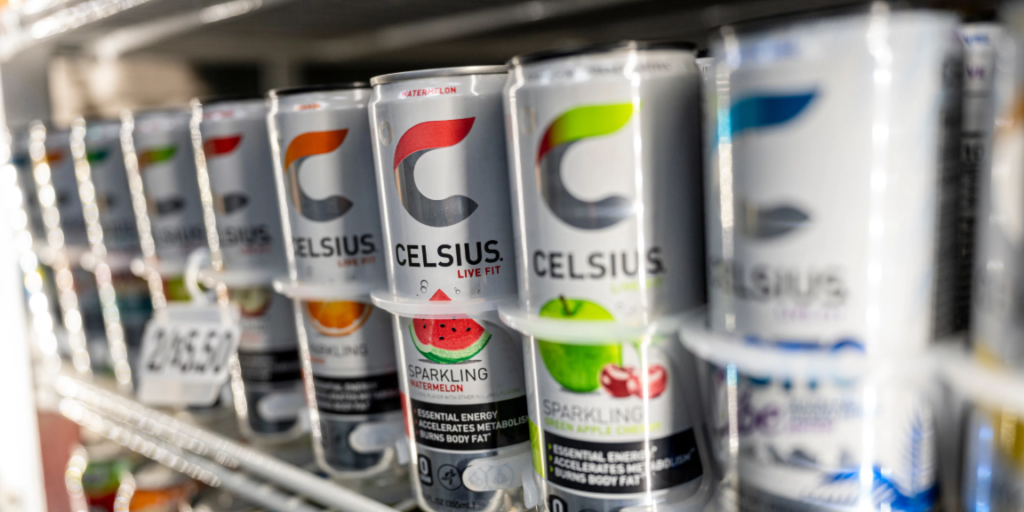
One of the most important aspects people consider before drinking energy beverages is caffeine. The celsius drink caffeine level is higher than many soft drinks but comparable to other energy drinks.
A standard 12-ounce can of Celsius contains approximately 200 mg of caffeine. This amount is similar to a strong cup of coffee or some premium energy drinks.
The caffeine comes from natural sources such as green tea extract and guarana seed extract. Because guarana also contains caffeine, it increases the total stimulant content.
Also Read:- C4 Energy Drink: Ingredients, Caffeine, Flavors, Benefits, and Side Effects
How Does Celsius Compare to Other Drinks?
To understand the celsius drink caffeine content, it helps to compare it with other beverages.
A typical cup of coffee contains around 90 to 120 mg of caffeine.
Many energy drinks contain between 150 and 300 mg per can.
Soft drinks usually contain less than 50 mg of caffeine.
This means Celsius provides a strong energy boost, which is why many people use it as a pre-workout drink.
However, individuals sensitive to caffeine should consume it carefully.
Also Read:- High Noon Drink: Complete Guide to Flavors, Calories, Alcohol Percentage, and Reviews
Celsius Drink Flavors
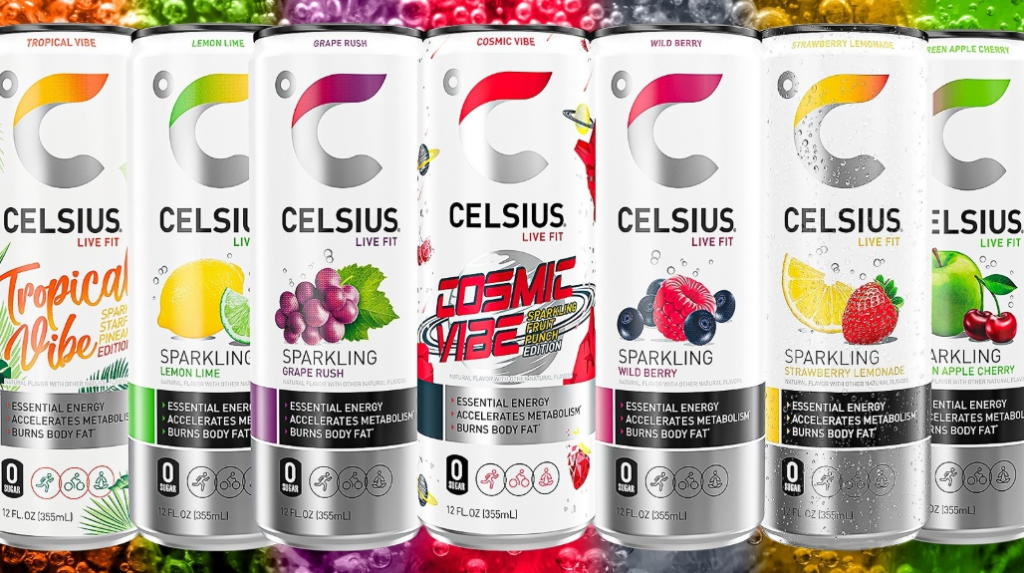
Another reason for the brand’s popularity is the wide variety of celsius drink flavors available. The company continuously releases new flavor combinations to appeal to different preferences.
Popular flavors include tropical fruit blends, citrus varieties, and berry-inspired drinks. Some of the most widely recognized options include orange, peach mango, watermelon, kiwi guava, and sparkling berry.
These drinks are typically carbonated, giving them a refreshing soda-like texture while maintaining an energy drink profile.
The brand also offers special editions, seasonal flavors, and performance-focused varieties designed for athletes.
Many consumers choose Celsius not only for energy but also for its taste, which is often described as lighter and less syrupy than traditional energy drinks.
Also Read:- La La Land Cafe: Menu, Locations, Original Story, and Why the Brand Stands Out
Celsius Drink Packets
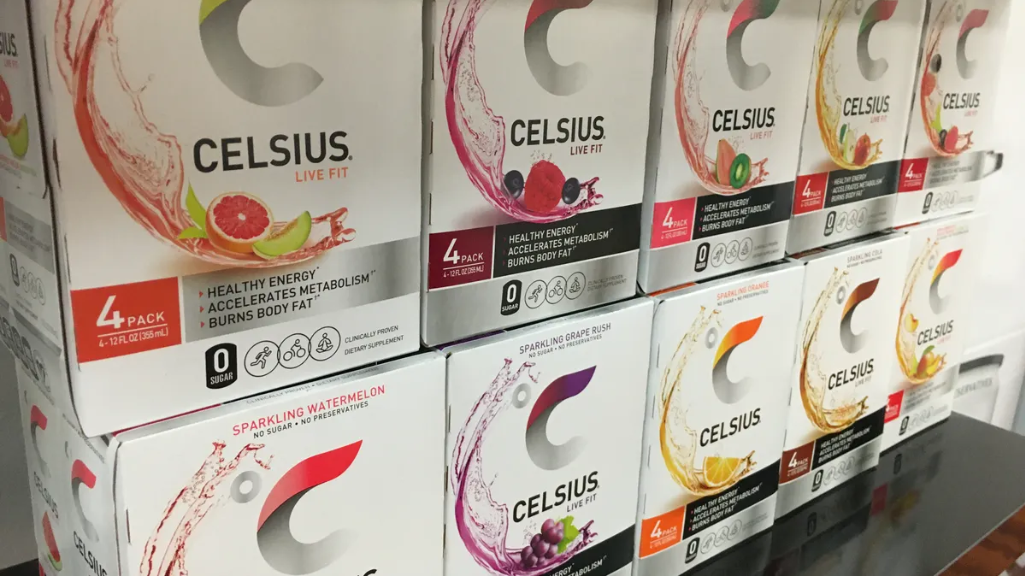
In addition to canned beverages, the company offers celsius drink packets. These powdered packets are designed to be mixed with water, creating a convenient on-the-go energy drink.
The packets contain similar ingredients to the canned versions, including caffeine, vitamins, and plant extracts.
One major advantage of powdered packets is portability. They are easy to carry in a gym bag, backpack, or purse.
Many athletes prefer packets because they can mix the drink whenever they need energy without carrying cans.
Additionally, packets often come in different flavor options and allow users to control the strength by adjusting water amounts.
Also Read:- Ghost Energy Drink: Flavors, Ingredients, Caffeine, Nutrition Facts, and Whether It’s Healthy
Celsius Drink Side Effects
Although Celsius is marketed as a healthy energy drink, some people experience celsius drink side effects, especially if consumed in large quantities.
The most common side effects are related to caffeine.
High caffeine intake can cause jitteriness, anxiety, increased heart rate, and difficulty sleeping. Individuals who are sensitive to caffeine may feel these effects even after a single can.
Another possible side effect is digestive discomfort. Some people experience stomach irritation due to caffeine or certain plant extracts in the drink.
Headaches can also occur, particularly if someone consumes multiple energy drinks in a short period.
Because Celsius is a thermogenic beverage designed to increase metabolism, some users report feeling warmer or sweating more after consumption.
People with heart conditions, high blood pressure, or caffeine sensitivity should consult a healthcare professional before consuming energy drinks.
Also Read:- Alani Energy Drink: Flavors, Ingredients, Caffeine, and Complete Health Guide
Is Celsius Drink Bad for You?
Many consumers wonder: is Celsius drink bad for you?
The answer depends largely on how it is consumed.
For healthy adults, moderate caffeine consumption is generally considered safe. According to the U.S. Food and Drug Administration, most adults can safely consume up to 400 mg of caffeine per day.
Since a can of Celsius contains around 200 mg, drinking one can daily is usually within safe limits for most people.
However, consuming multiple cans daily may lead to excessive caffeine intake.
People who should be cautious include pregnant women, teenagers, individuals with heart conditions, and people sensitive to stimulants.
Like most energy drinks, Celsius should be consumed responsibly and not used as a substitute for sleep, hydration, or balanced nutrition.
Celsius Drink and Alcohol
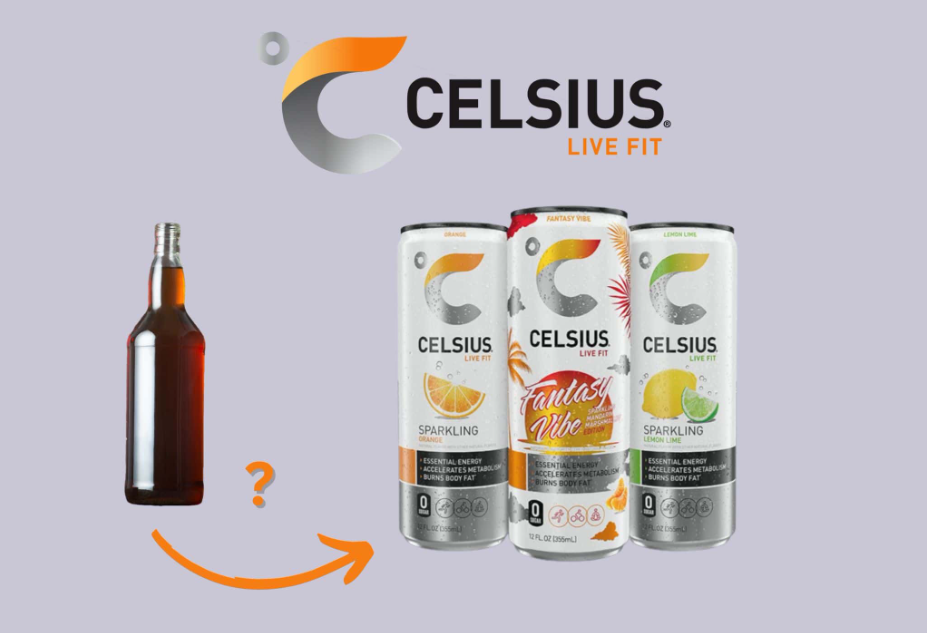
Another topic that raises questions is celsius drink alcohol. Celsius itself does not contain alcohol. It is strictly a non-alcoholic energy drink.
However, some individuals mix energy drinks with alcoholic beverages. This practice can be risky because caffeine may mask the sedative effects of alcohol.
When people feel less intoxicated due to caffeine stimulation, they may drink more alcohol than they normally would.
Health experts generally advise avoiding mixing energy drinks with alcohol because it can increase the risk of dehydration and excessive alcohol consumption.
Also Read:- Bloom Energy Drink: A Comprehensive Guide to Ingredients, Caffeine, and Health Benefits
Celsius Drink Lawsuit
In recent years, the brand has also faced legal attention related to a celsius drink lawsuit.
Some lawsuits have questioned the company’s marketing claims, particularly regarding statements that the drink boosts metabolism or burns calories.
Critics argued that certain marketing messages could mislead consumers into believing the drink causes significant weight loss without exercise.
While these legal disputes gained media attention, the company has continued to grow rapidly and expand its product line.
Many energy drink companies face similar legal challenges related to marketing claims and product labeling.
Consumers should always evaluate marketing statements carefully and rely on scientific evidence when considering health products.
Also Read:- Pink Drink: The Complete Guide to Starbucks & Homemade Recipes, Benefits, and More
Why Athletes and Fitness Enthusiasts Use Celsius

Celsius is often promoted as a fitness drink rather than a traditional energy drink.
Many athletes drink it before workouts because caffeine can improve endurance, focus, and physical performance.
Studies have shown that caffeine may increase workout intensity and reduce perceived fatigue.
Additionally, ingredients such as green tea extract may support metabolic activity.
This combination of caffeine and plant extracts makes Celsius appealing to individuals looking for a pre-workout energy boost.
However, it is still important to remember that energy drinks are supplements, not substitutes for proper nutrition or exercise.
Also Read:- Beatbox Drink: The Ultimate Guide to Flavors, Price, Alcohol Content & More
Conclusion
The Celsius drink has become one of the most recognizable fitness-focused energy beverages in the market. It is designed to provide energy, support metabolism, and enhance workout performance.
With approximately 200 mg of caffeine per can, it delivers a strong stimulant effect that many consumers find helpful for exercise or daily productivity.
The drink contains ingredients such as green tea extract, guarana, vitamins, and plant extracts that differentiate it from traditional sugary energy drinks.
However, like all caffeinated beverages, Celsius should be consumed responsibly. Some individuals may experience celsius drink side effects, especially if they are sensitive to caffeine or drink multiple cans per day.
Overall, Celsius can be part of a healthy lifestyle for many adults when used in moderation. Understanding its ingredients, caffeine content, flavors, and potential risks helps consumers make informed choices about whether it fits their personal health goals.
Frequently Asked Questions
What is Celsius drink used for?
Celsius is commonly used as an energy drink before workouts or during busy days when people need increased focus and energy.
How much caffeine is in a Celsius drink?
Most cans contain around 200 mg of caffeine, which is similar to a strong cup of coffee.
Does Celsius drink contain alcohol?
No, Celsius drinks do not contain alcohol. They are non-alcoholic energy beverages.
Are Celsius drink packets the same as the canned version?
Yes, celsius drink packets contain similar ingredients but come in powdered form that can be mixed with water.
Is Celsius drink bad for you?
For most healthy adults, drinking one can occasionally is generally safe. However, excessive consumption may lead to caffeine-related side effects.
For More UpdateS Visit: Supreme Magazine
About The Author