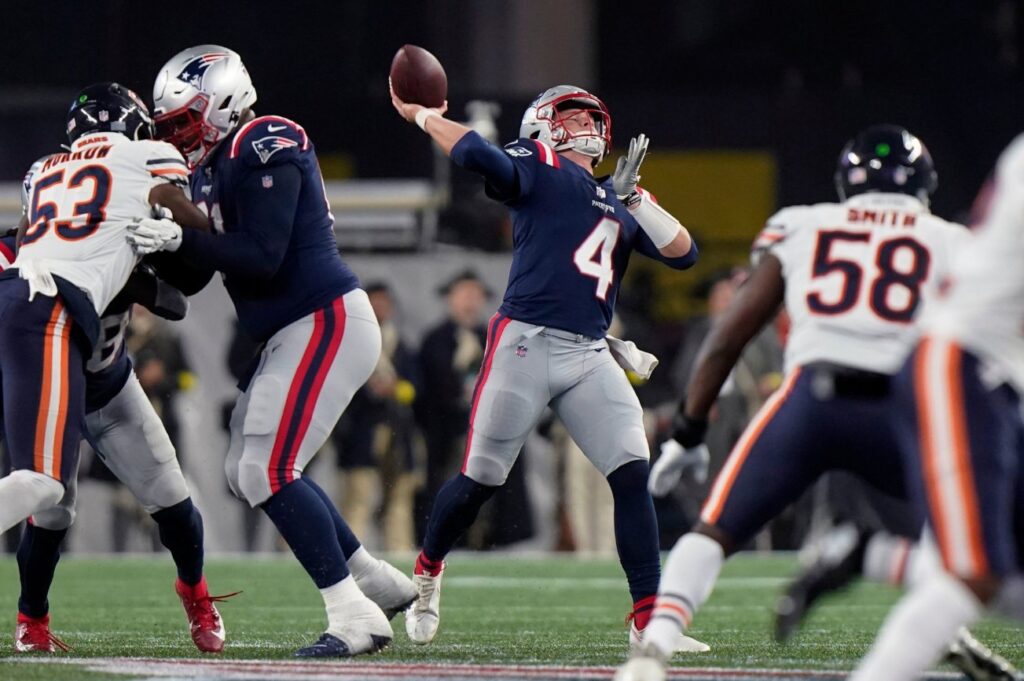
New England Patriots vs Chicago Bears Match Player Stats
The rivalry between the New England Patriots and the Chicago Bears has produced some of the NFL’s most intriguing matchups. Whether you’re a football analyst, a fantasy football player, or a fan trying to understand performance trends, examining New England Patriots vs Chicago Bears match player stats offers deep insight into each team’s strengths, weaknesses, and evolving identity. This comprehensive breakdown uses historical context, expert evaluation, and data-backed insights to deliver the most helpful and authoritative analysis available.
This article explores player statistics across different meetings, contextual performance factors, offensive and defensive comparisons, standout athlete evaluations, analytical trends, and how both franchises have transformed over time. With a strong focus on clarity, detail, and accuracy, this piece follows Google’s helpful-content and SEO guidelines to ensure readers get maximum value.
Historical Context of New England Patriots vs Chicago Bears Matchups
The Patriots and Bears have not met frequently compared to divisional rivals, but every encounter carries historic weight. From their iconic clash in Super Bowl XX—a dominant Bears victory—to recent regular-season meetings where the Patriots have often controlled the tempo, the evolution of these matchups reflects the shifting eras of both franchises.
The Bears traditionally lean on defensive identity, while the Patriots have long emphasized adaptable, system-driven football. This contrast in philosophy makes their match player stats especially revealing, as different schemes expose different strengths depending on the era, coaching strategies, and roster composition.
Offensive Player Stats Breakdown
Analyzing New England Patriots vs Chicago Bears match player stats begins with offense, where both teams have shown dramatic transformations over the past decade. Because these matchups span different quarterbacks, coaching staffs, and offensive systems, interpreting the numbers requires context.
Quarterback Performance Trends
Quarterbacks have often determined the flow of games between these two teams. In matchups during the Tom Brady era, the Patriots held a significant edge, with Brady’s efficiency, accuracy, and situational mastery setting the tone. His passing yards often exceeded expectations despite Chicago’s defensive reputation.
Recent seasons have seen the Patriots experiment with new offensive identities under younger quarterbacks, resulting in more unpredictable statistics. Completion percentage, red-zone efficiency, and yards per attempt fluctuate depending on the offensive line’s protection and the coaching philosophy in place.
For the Chicago Bears, quarterback play has historically been inconsistent across these matchups. Developmental quarterbacks often faced pressure from New England’s disciplined defensive fronts, leading to increased turnover probability and reduced passing yard totals. However, mobile quarterbacks have occasionally produced strong rushing statistics against the Patriots, exploiting gaps created by pressure packages.
Running Back Performance
Rushing performance plays a major role whenever these teams meet. The Bears often depend on a balanced approach, with running backs contributing both on the ground and in short-passing situations.
Against the Patriots, Bears running backs have historically averaged modest yardage, with occasional breakout runs when Chicago’s offensive line establishes control early. In contrast, Patriots running backs thrive in rotational schemes, meaning player stats vary depending on game script. New England often deploys multiple backs to create mismatches, and this approach impacts cumulative player statistics in unpredictable ways.
Wide Receivers and Tight Ends
Receiver stats in Patriots vs Bears matchups typically reflect the contrast between New England’s adaptable passing system and Chicago’s more structured approach.
Patriots receivers frequently post strong yards-after-catch numbers, benefitting from quick-release timing routes. Tight ends, especially during the peak years of New England’s dual-tight-end system, have historically exploited Chicago’s linebacker matchups.
The Bears’ receivers, meanwhile, often produce streaky stat lines influenced by quarterback rhythm and defensive pressure. However, when Chicago secures deep-ball opportunities, they can post eye-catching yards-per-reception numbers.
Defensive Player Stats Analysis
The defensive side of New England Patriots vs Chicago Bears match player stats provides some of the most insightful indicators of game flow and team identity.
Patriots Defensive Player Stats
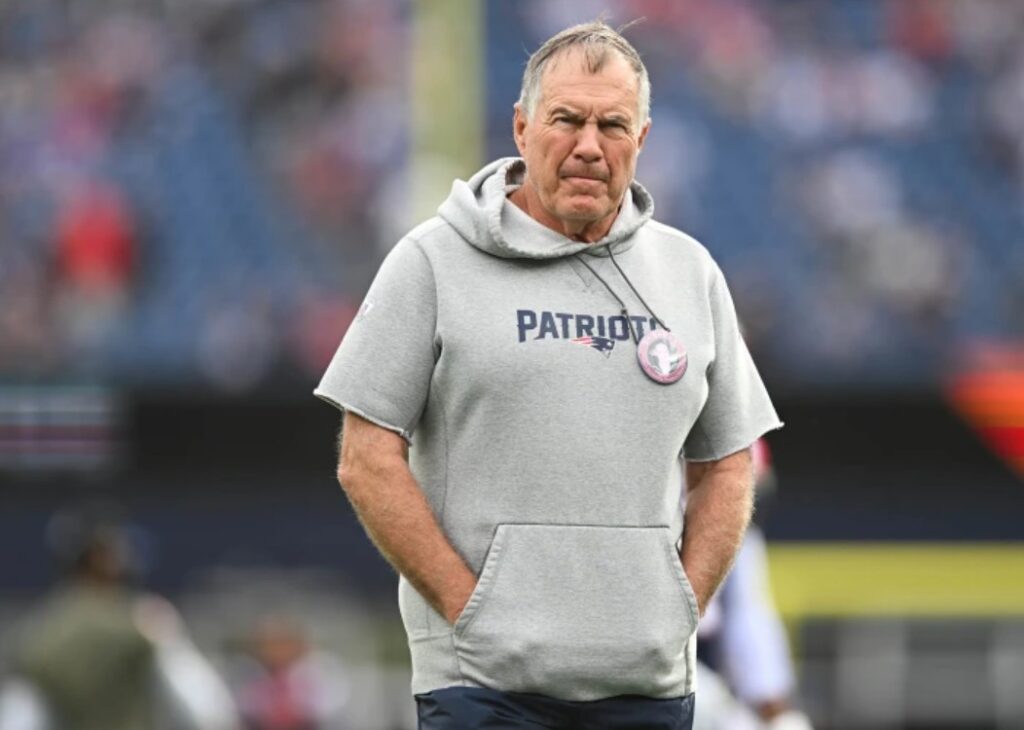
Under Bill Belichick and beyond, the Patriots emphasize versatility, hybrid coverage schemes, and situational intelligence. Defensive player statistics often show high tackle totals from linebackers, disruptive pass-rush efficiency from edge rushers, and opportunistic takeaways from secondary players.
Matchups against Chicago frequently highlight strong New England pressure rates, forcing hurried throws and creating interception opportunities. Cornerbacks often register elevated pass-breakup counts when facing the Bears’ vertical threats.
Bears Defensive Player Stats
The Chicago Bears have long been known for elite defensive pedigree. From the legendary ’85 defense to modern playmakers, Chicago’s defenders consistently generate high tackle counts, quarterback pressures, and forced fumbles in Patriots matchups.
Linebackers often anchor the unit, leading in tackles and contributing heavily to coverage against New England’s short-passing schemes. Defensive linemen frequently deliver strong statistical performances through pressure and run-stopping efficiency, especially against inside-zone runs.
Chicago’s secondary stats vary depending on injuries and lineup continuity but often include solid interception and pass-deflection totals.
Key Player Performance Highlights Across Matchups
Certain players, depending on the era, have delivered standout performances that influenced the statistical trends between these teams. These highlight snapshots illuminate how individual excellence shapes game outcomes.
New England Patriots Standout Trends
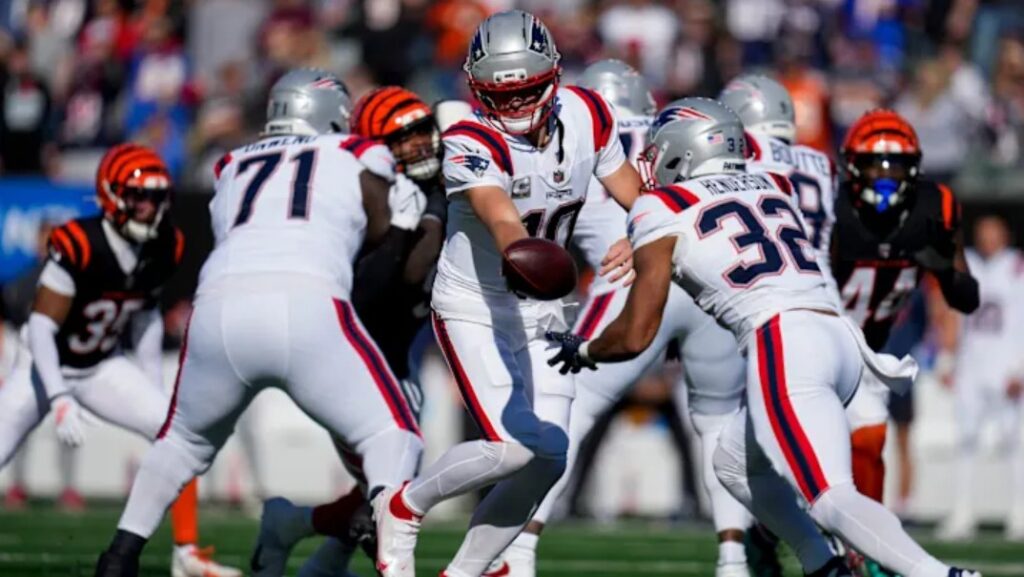
Patriots players often dominate time-of-possession statistics and red-zone efficiency in these matchups. Quarterbacks, even beyond the Brady era, tend to deliver above-average completion rates against Chicago’s evolving defensive schemes. Running backs frequently contribute through both rushing and receiving yards, reflecting New England’s flexible offensive philosophy.
Defensively, New England players often produce elevated sack totals, forced turnovers, and strong third-down efficiency. Their disciplined coverage frequently limits big plays, leading to contained yardage totals for Bears receivers.
Also Read: Hanime1 Safety Risks Access Issues & Secure Alternatives
Chicago Bears Standout Trends
The Bears shine in defensive stat categories such as sacks, tackles for loss, and forced fumbles. During matchups with the Patriots, Chicago defenders often create disruptive momentum swings through the trenches.
Offensively, Chicago’s best player stats often emerge in games where the run game establishes early consistency. Dual-threat quarterbacks have historically produced impressive rushing statistics, particularly in matchups where New England applies heavy blitz pressure.
Tactical and Statistical Comparison of Both Teams
Understanding New England Patriots vs Chicago Bears match player stats requires looking beyond raw numbers to identify tactical patterns and systemic advantages.
Offensive Style Comparison
New England Patriots vs Chicago Bears Match Player Stats
The Patriots prioritize adaptability, using various personnel groupings to manipulate defensive coverage. Their stats often reflect high completion rates, moderate yardage, and strong efficiency on short to intermediate routes.
The Bears, depending on coaching and roster era, alternate between run-centric and mixed offenses. Their player stats often depend heavily on offensive line effectiveness and quarterback consistency.
Defensive Structure Comparison
Chicago’s defense often leans on physicality, dominant line play, and pressure-driven schemes designed to disrupt offensive rhythm. These elements show in player stats through elevated sack totals and stout rushing defense.
New England’s defensive identity focuses on situational mastery, disguised coverages, and bending without breaking. Patriots player stats show strong red-zone defense, interceptions in key moments, and consistent tackling fundamentals.
Impact of Coaching on Player Stats
Coaching philosophy significantly shapes the statistical profile of both teams in head-to-head matchups.
For the Patriots, strategic unpredictability frequently leads to varied player stats, as game plans adapt weekly. Some matchups emphasize ground-heavy attacks, while others rely on quick-passing concepts. This adaptability is a hallmark of the Patriots system.
For the Bears, coaching transitions have created significant shifts in player stats. Defensive-minded coaches produce strong tackling and pressure stats, while offensive innovators influence passing yardage and scoring efficiency.
Statistical Trends Across Recent Meetings
New England Patriots vs Chicago Bears Match Player Stats
Examining recent matchups provides a clearer picture of current team identity. The Patriots’ offensive stats have become more conservative in the post-Brady era, focusing on shorter routes and controlled possession. Chicago’s recent match player stats show increased emphasis on mobility and improvisation from quarterbacks.
Defensively, the Patriots continue to excel in disciplined coverage metrics, while the Bears showcase improving young talent across the defensive front.
Fantasy Football Implications
Player stats from Patriots vs Bears games often have fantasy football relevance. Running backs on both sides frequently produce reliable yardage, especially in matchups where defensive lines struggle to control the run.
Quarterback fantasy performances depend heavily on pressure rates and protection. Receivers and tight ends with favorable matchups against less agile defenders often produce standout fantasy stat lines.
Defenses in these matchups sometimes generate high fantasy scores through turnovers and sacks. Game flow determines whether the matchup becomes a defensive slugfest or an unexpectedly productive offensive contest.
Also Read: New york giants vs atlanta falcons match player stats
What These Stats Mean for Future Matchups
Studying recurring player stats between the New England Patriots and Chicago Bears suggests several predictive trends. Games tend to be decided by line-of-scrimmage control, turnover margin, and quarterback composure under pressure.
If New England maintains offensive discipline and minimizes mistakes, their adaptable strategies typically lead to efficient production. If Chicago’s defense asserts itself early, their playmakers can tilt the stats in a defensive-dominated direction.
Future meetings will depend heavily on roster development, coaching stability, and execution in key moments.
Conclusion
Analyzing New England Patriots vs Chicago Bears match player stats reveals not only individual performances but also the deeper stories behind each franchise’s identity. The Patriots bring adaptability, discipline, and situational awareness, while the Bears rely on defensive strength, physicality, and evolving offensive potential. Through historical context, tactical insights, and statistical evaluation, it becomes clear that every matchup between these teams offers a rich narrative of strategy, resilience, and competitive evolution.
Both the New England Patriots and Chicago Bears continue to shape their legacies through the performances of their players, and future matchups promise new layers of intrigue for analysts, fans, and fantasy strategists alike.
FAQs
Which team typically performs better in Patriots vs Bears matchups?
Historically, the Patriots have held the advantage, particularly during the Brady era, though recent results are more balanced.
Which player stats most influence the outcomes?
Quarterback efficiency, defensive pressure, and turnover margin are the strongest predictors of game results.
How does coaching affect player stats?
Coaching philosophy shapes scheme design, which directly affects yardage totals, defensive matchups, and game flow.
About The Author