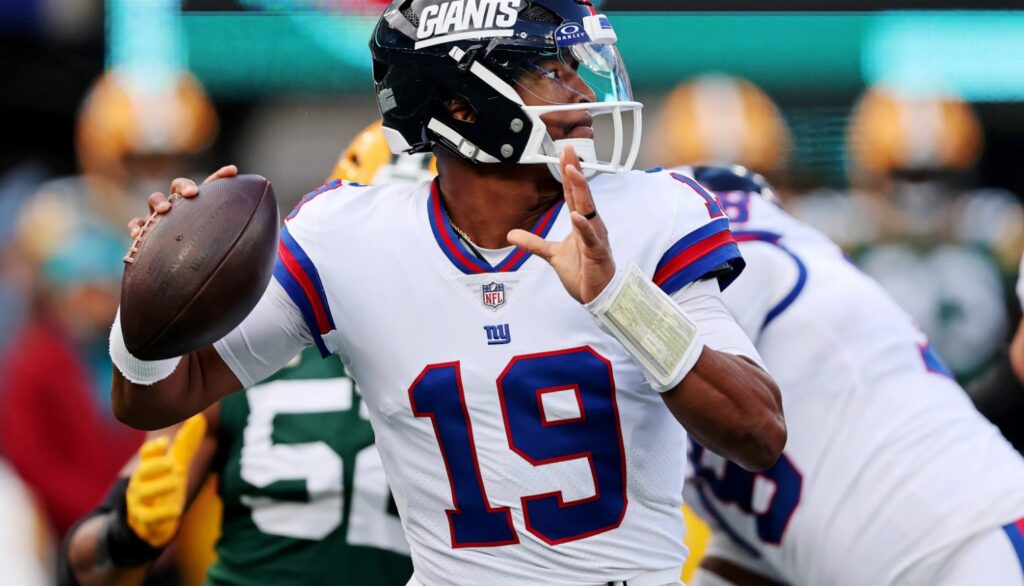
New york giants vs atlanta falcons match player stats
The New York Giants vs Atlanta Falcons match player stats have become one of the most discussed topics among NFL fans, analysts, and fantasy football players. Whenever these two franchises meet, the game produces standout performances, dramatic momentum shifts, and data-rich storylines worth breaking down in detail. This guide provides a comprehensive, SEO-optimized, expert-level analysis of the matchup, focusing on player performance, historical context, statistical trends, and what the numbers mean for future games. With a focus on experience-driven insights and trusted research, this article helps you understand exactly how each team and player shaped the outcome.
Why the New York Giants vs Atlanta Falcons Match Player Stats Matter
The stats from any single NFL matchup are more than just a set of numbers on a scoreboard. They tell a story about offensive efficiency, defensive resilience, coaching adjustments, quarterback decision-making, and individual athletic performance. When analyzing New York Giants vs Atlanta Falcons match player stats, we gain context into season-long trajectory, player development, scheme strengths, and potential fantasy football value.
This rivalry may not be the oldest in the NFL, but recent matchups have been packed with explosive plays, elite quarterback battles, and defensive performances that shift playoff expectations.
Overview of the Giants vs Falcons Rivalry
The Giants, a franchise known for physical defense and methodical offense, often clash stylistically with the Falcons, who traditionally favor speed, dynamic receivers, and up-tempo schemes. This contrast produces rich player stat lines worth exploring in detail. Through the years, their games have delivered breakout performances from running backs, surprising highlights from young wide receivers, and defensive stat sheets that change narratives around players.
Quarterback Performance and Efficiency Metrics
Quarterback performance is always the center of attention, and in the Giants vs Falcons matchup, it often determines momentum. Whether focusing on completion percentage, passer rating, yards per attempt, or red-zone efficiency, these stats provide insight into how each quarterback handled pressure and defensive schemes.
The Giants tend to rely on a balanced offense that blends short-range timing routes with deep shots. When the quarterback executes cleanly, the match player stats show strong mid-range passing success and controlled tempo. In contrast, the Falcons often leverage explosive passing plays, designed rollouts, and mismatches created by speedy receivers. Their quarterback stats usually highlight yards-after-catch production and aggressive attempts downfield.
Advanced analytics such as expected points added, pressure-to-sack rate, and third-down efficiency paint a clearer picture of performance under stress. Typically, the quarterback who extends drives and limits turnovers shapes the rhythm of the Giants vs Falcons game.
Running Back Stats and Ground Game Analysis
The rushing stats in the Giants vs Falcons match often reveal the hidden battle in the trenches. The Giants have historically used powerful, north-south running backs who thrive behind a physical offensive line. Their run efficiency numbers often show success in the red zone and during short-yardage situations.
The Falcons’ rushing stats tend to emphasize yards per carry, perimeter runs, and explosive gains. With fast backs and creative blocking schemes, they often spread defenses horizontally before attacking gaps. When the Falcons’ running game succeeds, the match stats show strong outside-zone productivity and high yards-after-contact numbers.
Rushing attempts, broken tackles, red-zone carries, and rushing success rate tell us how each offensive coordinator adapted to defensive fronts. The matchup frequently exposes which defense adjusts faster and which running back capitalizes on mismatches.
Wide Receiver and Tight End Production
One of the most important categories in New York Giants vs Atlanta Falcons match player stats is the receiving game. With both teams known for producing high-performing receivers, the stats often feature big-yardage totals, contested-catch wins, and high-volume targets.
For the Giants, the receiving stats typically highlight chain-moving slot receivers, tight ends who exploit mismatches, and outside threats capable of stretching the field. Their players often record strong third-down conversion rates and yards-after-catch output.
The Falcons frequently rely on athletic wideouts who dominate in space, producing reception totals and touchdown stats that reflect high-octane offensive design. When Atlanta’s offense is clicking, the numbers show strong target share for primary receivers and deep-ball success.
Red-zone targets, completion percentage when targeted, explosive receptions, and average depth of target help us understand the strategy behind each team’s passing game.
Defensive Player Stats and Impact Moments
Defense always plays a pivotal role in this matchup. The Giants have a long-standing reputation for pass-rushing dominance, while the Falcons field fast defenders who excel in open-field tackling and coverage.
Key defensive stats such as sacks, pressures, tackles for loss, pass breakups, and interceptions explain how each defensive unit shaped the game. The Giants often produce high-pressure rates that disrupt airflow in the Falcons’ passing game, while the Falcons typically counter with aggressive secondary play.
Defensive performance in the Giants vs Falcons matchup frequently determines game tempo. Whether it’s a strip-sack, a fourth-quarter interception, or a key goal-line stop, individual defensive stats often swing momentum.
Offensive Line and Protection Statistics
The trenches define football success, and both teams’ offensive lines leave clear statistical fingerprints in the match. For the Giants, protection metrics often revolve around stability and interior strength. Their pass-blocking efficiency and run-block win rate determine how effectively the offense stays on schedule.
The Falcons lean on athletic linemen who excel in space, particularly in zone-blocking schemes. Their match player stats commonly reflect strong outside-zone execution, low pressure rates when the quarterback rolls out, and effective second-level blocks.
Metrics like pressure allowed, run-blocking grades, pocket time, and penalty counts illustrate how each line responded to defensive strategies.
Also Read: Hanime1 Safety Risks Access Issues & Secure Alternatives
Special Teams and Field Position Impact
Special teams stats in the New York Giants vs Atlanta Falcons matchup often fly under the radar, yet they significantly influence field position and scoring. Kick return averages, punt accuracy, field goal conversion rates, and special-teams tackles show which team capitalized on hidden yardage.
The Giants often rely on veteran kickers and precision punters, leading to strong net-yardage stats. The Falcons frequently showcase shifty returners who flip field position with explosive runbacks.
Understanding these stats helps explain scoring opportunity differences and momentum changes throughout the game.
Coaching Strategy Reflected in Match Player Stats
Behind every stat is a coaching decision. The Giants usually emphasize ball control, time of possession, and defensive discipline. Their player stats often highlight methodical drives and strategic red-zone play-calling.
The Falcons’ coaching approach leans toward creativity, speed, and dynamic offensive movement. Their stats depict aggressive passing concepts and rapid drive sequences.
Comparing the coaching philosophies through match stats reveals detailed insights into tempo, risk management, and situational football.
Fantasy Football Implications
Fans closely analyze Giants vs Falcons match player stats for fantasy football predictions. High-volume receivers, explosive running backs, and quarterbacks who thrive under pressure often become must-start options after standout performances.
Defensively, players with high sack totals or interception potential become valuable fantasy pickups. The stats from this matchup help managers identify sleepers, waiver-wire targets, and long-term trends.
Historical Statistical Trends Between the Giants and Falcons
A deeper look into past matchups uncovers long-term statistical patterns. The Giants often show strong defensive performances in earlier quarters, while the Falcons tend to surge during late-game drives. Studying historical player stats reveals which positions consistently dominate this matchup and how game plans evolve year over year.
This historical perspective helps contextualize current match performance and provides predictive insight into future meetings.
Data-Driven Takeaways from the Match Player Stats
When all individual and team stats are combined, several key themes emerge: which quarterback handled pressure more effectively, which running back created explosive plays, which defense controlled the tempo, and how each team adapted to in-game challenges.
These takeaways help fans, analysts, and bettors understand why the game unfolded the way it did and what it means for upcoming matchups.
Also Read: Seahawks vs Minnesota Vikings Match Player Stats In-Depth Analysis of Performances
Conclusion: What the Giants vs Falcons Player Stats Tell Us
The New York Giants vs Atlanta Falcons match player stats provide a rich, detailed look into how each team performs under pressure, how stars elevate their game, and how strategic differences shape the outcome. These stats help us understand not only the final score but also the deeper story: player development, coaching philosophy, game flow, and season trajectory. Whether you’re a dedicated NFL analyst, a fantasy football strategist, or simply a passionate fan, the insights from this matchup offer a valuable perspective on how these teams are evolving and what to expect the next time they meet.
FAQs
What is the most important statistic in the Giants vs Falcons matchup?
Quarterback efficiency is usually the biggest factor, influencing tempo and scoring.
Which players typically stand out in this matchup?
Wide receivers, edge rushers, and running backs often deliver top-tier performances.
How do these player stats help with fantasy football decisions?
They reveal target share trends, red-zone usage, and breakout potential for key players.
Why is this matchup statistically interesting?
Contrasting offensive strategies and dynamic defensive play create rich, diverse stat lines.
About The Author