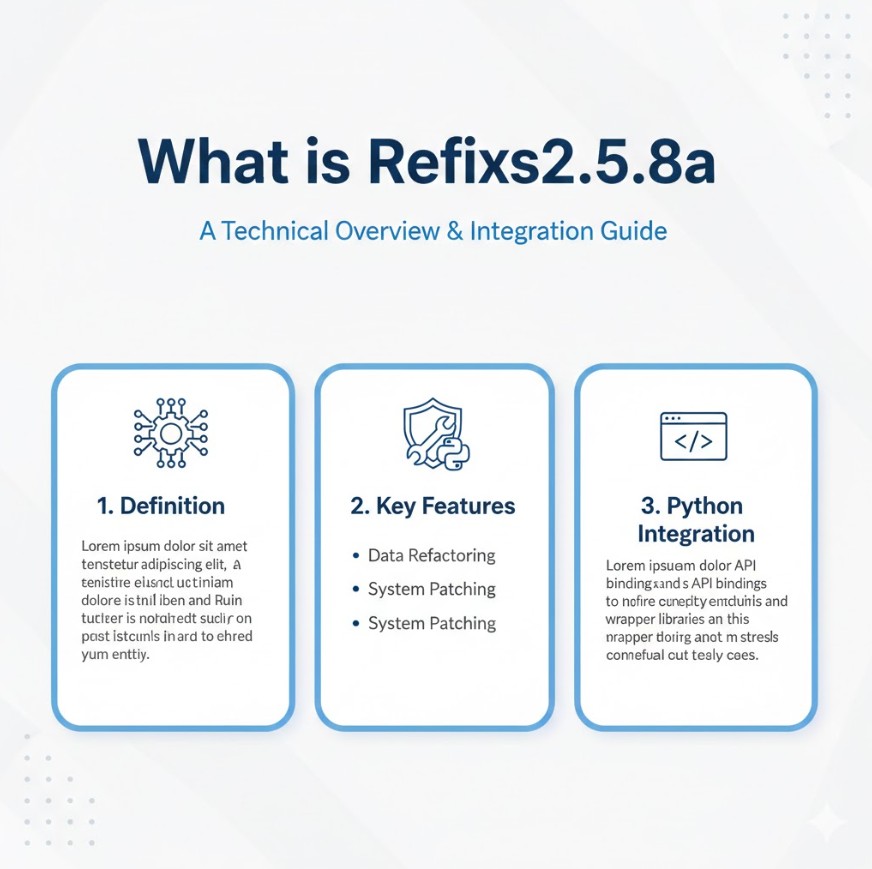
What is Refixs2.5.8a
In the fast-paced world of software development, it’s not uncommon for developers to rely on libraries and tools that simplify their workflow. One such tool is Refixs2.5.8a, which is increasingly gaining popularity, particularly among Python developers. If you’ve come across Refixs2.5.8a and are wondering how it can benefit your projects or solve certain challenges, this article provides a comprehensive guide on everything you need to know. We’ll dive into its features, benefits, how to use it with Python, troubleshooting common issues, and more.
In this guide, we’ll explore Refixs2.5.8a, how it integrates with Python, and why it’s become an essential tool for many developers.
What is Refixs2.5.8a?
To begin, it’s important to understand what Refixs2.5.8a is. It’s a specific version of a software tool or package designed to interact with Python programming projects. Refixs2.5.8a is intended to optimize and simplify various tasks for developers. This could include anything from streamlining workflows, adding new functionalities, integrating external services, enhancing performance, or debugging.
More specifically, Refixs2.5.8a is most often used in Python environments to enhance data manipulation capabilities, provide utilities for API calls, or solve compatibility problems between different Python versions. The version 2.5.8a is particularly noted for improvements and bug fixes, which makes it a crucial update for developers using earlier versions of the tool.
Overall, Refixss2.5.8a is part of a larger ecosystem of tools that can be used for Python development, making it highly beneficial for both novice and advanced programmers.
How Does Refixs2.5.8a Work with Python?
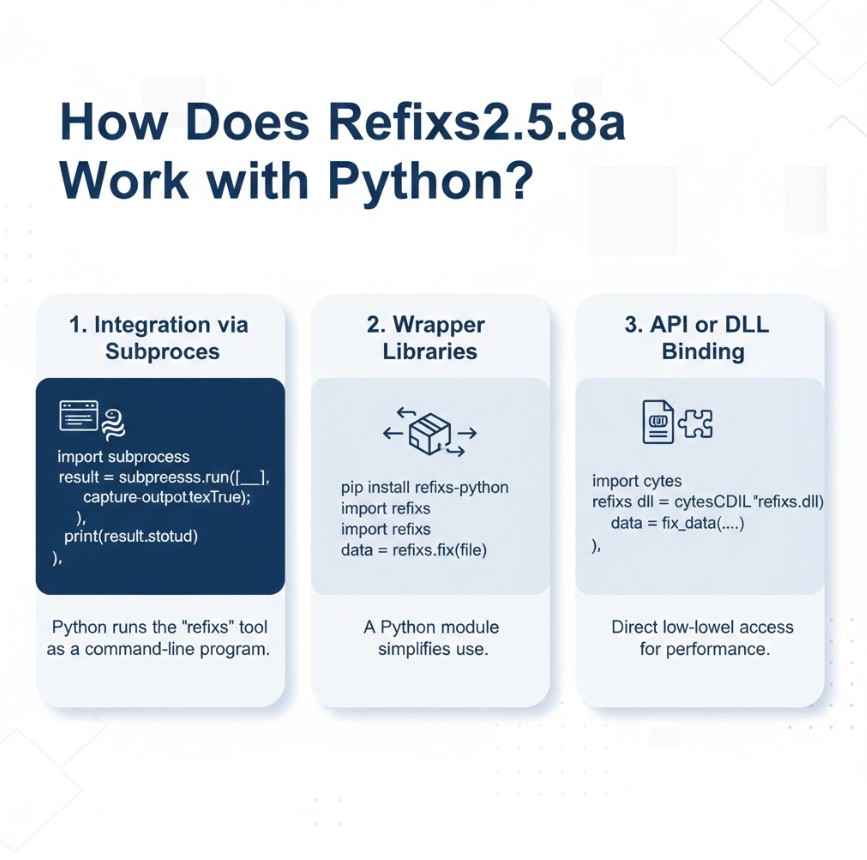
For those already familiar with Python programming, integrating Refixs2.5.8a into your projects can streamline development and provide additional tools for optimizing your Python code. Here’s a breakdown of how Refixs2.5.8a works with Python:
Key Features of Refixs’s2.5.8a Python:
- Improved Compatibility: Refixs2.5.8a is designed to work seamlessly across different Python versions. This helps developers who are working on legacy codebases or cross-platform projects that need to function on various Python environments.
- Optimized Performance: Whether you’re dealing with large datasets or complex computations, Refixs2.5.8a includes optimizations that help improve performance, reduce memory usage, and increase the speed of your Python applications.
- Utility Functions: Refixs‘s2.5.8a also provides a set of utility functions designed to make development more efficient. These might include debugging tools, API integration functions, data transformation utilities, or logging mechanisms.
Also Read: Understanding Liliteensena: A Deep Dive into Its Significance
How to Use Refixs2.5.8a in Python?
Using Refixs2.5.8a in Python is relatively simple if you follow a few steps. Here’s a guide on how to integrate Refixs2.5.8a Python into your project:
- Installation: You need to install Refixs2.5.8 into your Python environment. The easiest way to do this is through Python’s package manager, pip. Here’s the command you can use to install Refixs’s2.5.8a:
pip install refixs2.5.8a - Importing: After installation, you can import Refixs’s2.5.8a into your Python script to start using its features. Simply use the following line of code:
import refixs2.5.8a - Using Functions and Classes: Once you’ve imported Refixs2.5.8a, you can begin using its various functions, classes, or methods. The package will include specific tools that can help optimize your data processing or interact with APIs. Always refer to the official documentation or examples to understand how each feature works.
Example:
import refixs2.5.8a

# Example function usage
result = refixs2.5.8a.some_utility_function(data)
The exact methods and functionality will vary depending on the features offered by Refixs2.5.8a, so make sure to check the documentation for more details.
Refixs2.5.8a Python Download: Where to Get It?
If you’re eager to start using Refixs2.5.8a Python, the first thing you’ll need to do is download the package. Here’s how you can download and install Refixs2.5.8a into your Python environment:
Steps to Download Refixs2.5.8a:
- Check Python Compatibility: Ensure that your Python environment is compatible with the version of Refixs2.5.8a you’re downloading. Refixs2.5.8a is designed to work with specific versions of Python, so make sure to choose the correct one.
- Use pip: The most common and easiest way to download Refixs2.5.8a Python is to use pip, the Python package manager. Open your terminal or command prompt and type:
pip install refixs2.5.8a - Manual Download: Alternatively, you can visit the official website or repository (such as GitHub or another trusted repository) to manually download the package. However, using pip is highly recommended as it handles dependencies and installation automatically.
- Verify Installation: After installation, you can verify if Refixs2.5.8a was successfully installed by checking the list of installed packages:
pip list
Troubleshooting Common Issues with Refixs’s2.5.8a
Like all software, Refixs2.5.8a may come with its fair share of challenges. Below are some of the most common issues developers encounter and how to troubleshoot them:
1. Refixs2.5.8a Not Working
This is one of the most common issues users face, and it can be caused by several factors:
- Version Mismatch: Ensure that the version of Python you’re using is compatible with Refixs2.5.8.
- Outdated Installation: If you’ve installed an old version of Refixs2.5.8, try updating it using:
pip install --upgrade refixs2.5.8a
2. Refixs2.5.8a Not Recognized
If your Python environment doesn’t recognize Refixs2.5.8a, this could be due to an installation problem or incorrect Python path settings:
- Reinstall the Package: Try uninstalling and reinstalling the package:
pip uninstall refixs2.5.8a pip install refixs2.5.8a - Check Your Python Path: Ensure that your Python environment can access the location where Refixs2.5.8a is installed.
3. Why Should I Get a Refixs’s2.5.8a Python?
You may be wondering if Refixs2.5.8a Python is worth your time and investment. Here are some compelling reasons why you should consider adding it to your toolbox:
- Performance Boost: Refixs2.5.8a offers optimizations that can speed up your Python applications, especially when dealing with resource-intensive tasks.
- Feature-Rich: The package includes a wide range of utility functions and tools that can help you streamline your development process.
- Time-Saving: It helps automate and optimize certain tasks, allowing you to focus on higher-level aspects of your projects.
Also Read: NYT Connections Answers: Tips, Hints & Solutions for Today’s Puzzle
How Much is Refixs2.5.8a Python?
One of the advantages of Refixs2.5.8a is that it is typically available for free, especially if you download it from open-source repositories like PyPI. In some cases, certain features or premium versions of the package may require payment, but for most users, the free version provides ample functionality.
Is Refixs2.5.8a Suitable for Beginners?
While Refixs2.5.8a Python might seem intimidating at first glance, it is actually well-suited for both beginners and advanced developers. For beginners, the package provides a range of pre-built functionalities that save time and effort. By using Refixs2.5.8a, you can avoid reinventing the wheel and start working on more advanced aspects of your project right away.
The community surrounding Refixs2.5.8a is also very supportive, with many tutorials and resources available to help newcomers get started quickly.
Conclusion
Refixs2.5.8a is an invaluable tool for Python developers who are looking to improve their workflow, performance, and productivity. Whether you’re working on data analysis, web development, or machine learning, integrating Refixs2.5.8a into your Python projects can streamline your process and help you achieve better results.
By following the installation guide, troubleshooting common issues, and leveraging its powerful features, you can harness the full potential of Refixs2.5.8a Python. Whether you’re a seasoned developer or just starting your Python journey, Refixs2.5.8a can become an essential part of your development toolkit.
FAQs
Q: What are the main features of Refixs2.5.8a Python?
A: Refixs2.5.8a provides performance optimizations, compatibility improvements, and utility functions that enhance Python development.
Q: How can I troubleshoot errors related to Refixs2.5.8a?
A: Check for version mismatches, outdated installations, and ensure correct Python environment paths. If the issue persists, try reinstalling the package.
Q: Is Refixs2.5.8a suitable for beginners?
A: Yes, Refixs2.5.8a is beginner-friendly and comes with many pre-built functionalities to help new developers focus on higher-level tasks.
About The Author