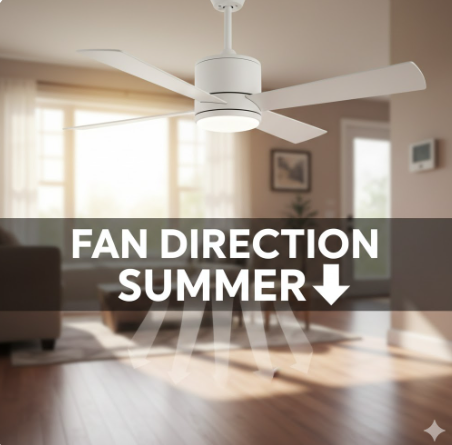
fan direction summer
During peak summer heat, comfort indoors often feels like a constant battle. Air conditioners run longer, electricity bills climb higher, and rooms still feel warmer than they should. Yet one of the most effective and overlooked cooling tools is already hanging from the ceiling. Understanding fan direction summer settings can dramatically change how cool a space feels—without increasing energy use.
Many people assume ceiling fans cool rooms automatically, but the truth is more nuanced. The direction your fan spins determines whether it helps you feel cooler or unintentionally traps warm air around you. This guide explains the correct fan direction for summer, the science behind it, and how to use ceiling fans strategically for better comfort, lower costs, and improved energy efficiency.
Understanding What Fan Direction Summer Means
The term fan direction summer refers to the rotational direction a ceiling fan should operate during warm months to maximize cooling. Ceiling fans do not lower room temperature; instead, they create airflow that helps your body release heat more efficiently. When set correctly, a fan can make a room feel noticeably cooler even though the actual temperature remains unchanged.
Also Read: How to Copy and Paste on Chromebook (Complete Guide)
This distinction matters because improper fan direction can reduce airflow effectiveness or even make a space feel warmer. The right direction enhances evaporation on the skin and accelerates heat loss, which is the foundation of effective summer cooling.
The Correct Fan Direction for Summer Explained Clearly
In summer, a ceiling fan should rotate counterclockwise when viewed from below. This direction pushes air downward, creating a direct breeze across the skin. That breeze increases evaporation of perspiration and improves convective heat loss, making the body feel cooler almost immediately.
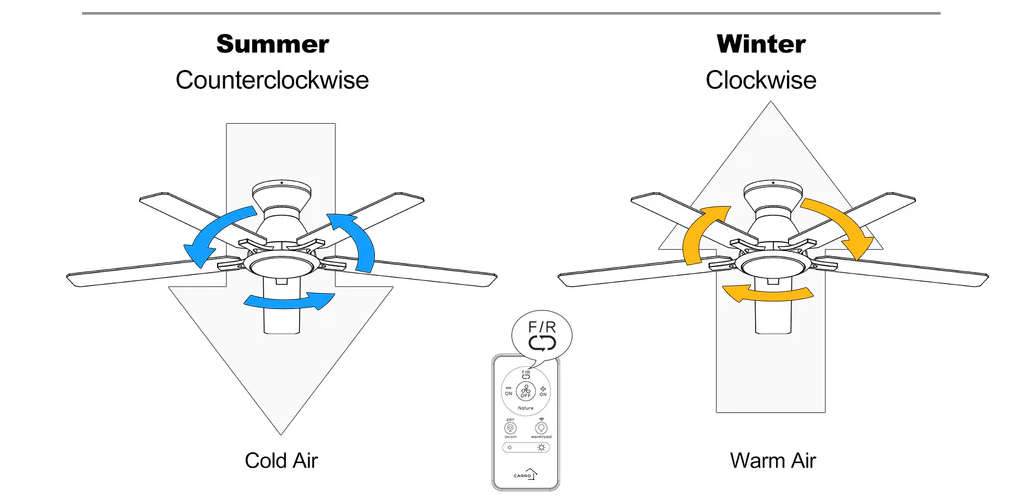
If you stand beneath your fan and feel air blowing straight down, the fan direction is set correctly for summer. If the air seems to pull upward instead, the direction needs to be reversed.
Why Counterclockwise Fan Direction Works in Summer
The effectiveness of fan direction summer settings is rooted in basic thermodynamics and human physiology. Moving air accelerates heat transfer from the body to the surrounding environment. When airflow passes over skin, it disrupts the insulating layer of warm air that naturally forms around the body, replacing it with cooler air.
According to guidance from the U.S. Department of Energy, proper fan use can allow homeowners to raise thermostat settings by several degrees without sacrificing comfort. This combination of airflow and higher thermostat settings leads to significant energy savings during summer months.
How to Tell If Your Fan Is Spinning the Right Way
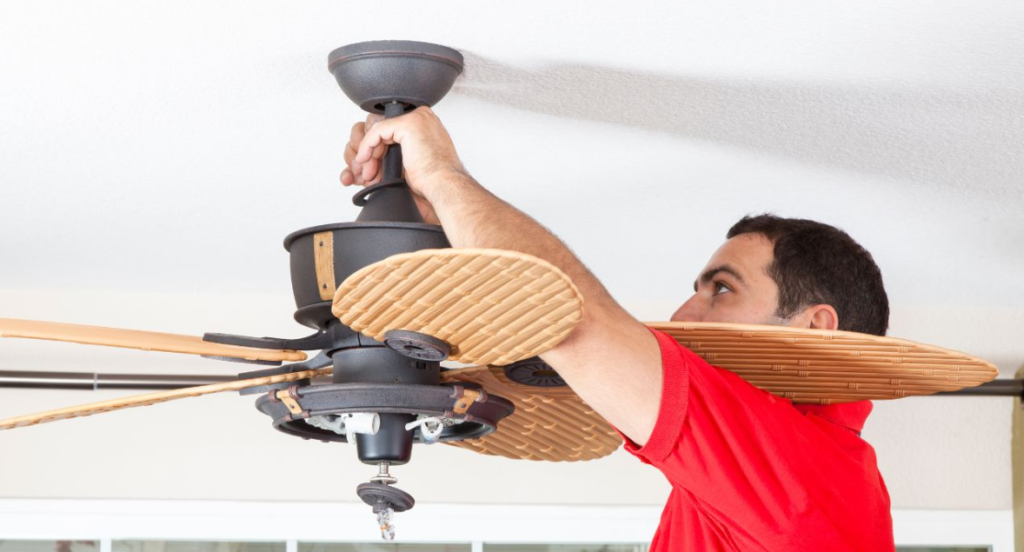
Most ceiling fans include a small switch on the motor housing that controls blade direction. Before adjusting it, the fan should always be turned off completely. Once restarted, observe the blade motion from below. In summer, the blades should move from the top left to the top right, creating a downward airflow.
Newer fans may use remote controls or wall-mounted panels instead of physical switches. In these cases, the reverse function is typically labeled or represented by circular arrows.
Also Read: How to Use Yell51x-Ouz4 Complete Guide for Beginners
Fan Direction Summer Compared to Winter Settings
Ceiling fans are designed for year-round use, but their purpose changes with the seasons. In winter, fans rotate clockwise at low speed to pull cool air upward and gently push warm air down from the ceiling without creating a breeze. In summer, that same clockwise motion works against comfort by reducing airflow where people actually are.
Switching fan direction seasonally is a simple habit that delivers consistent comfort benefits throughout the year.
How Fan Direction Summer Reduces Energy Costs
Electricity usage spikes during summer primarily due to air conditioning. Ceiling fans consume only a fraction of the energy required by central cooling systems, yet they significantly enhance perceived comfort. When the fan direction summer setting is correct, occupants feel cooler at higher thermostat settings.
Energy efficiency programs such as ENERGY STAR consistently emphasize ceiling fans as a supplemental cooling strategy. Used correctly, fans reduce air conditioner run time, ease strain on HVAC systems, and lower monthly utility bills.
Choosing the Right Fan Speed for Summer Comfort
While direction is the most critical factor, speed also plays a role. Higher speeds move more air, increasing the cooling effect. In most living spaces during summer, medium to high fan speeds offer the best balance between comfort and noise.
Bedrooms often benefit from slightly lower speeds at night to prevent drafts or excessive dryness, while larger common areas typically require higher airflow to feel comfortable during the day.
Fan Direction Summer by Room Type
In bedrooms, counterclockwise rotation combined with moderate speed creates consistent airflow that supports restful sleep. Because fans cool people rather than rooms, they should be turned off when the room is unoccupied.
Living rooms and family areas benefit from higher airflow, especially during gatherings. In these spaces, the fan works best when paired with cross-ventilation or air conditioning set a few degrees higher.
Kitchens generate excess heat from cooking appliances. Proper fan direction summer settings help disperse warm air and improve overall airflow when combined with exhaust fans.
Also Read: Tiimatuvat The Innovative Concept Blending Tradition and Modern Technology
Home offices require careful airflow placement. Gentle downward airflow above desk height prevents overheating without causing eye dryness or paper movement.
Why Fan Size and Blade Design Matter in Summer
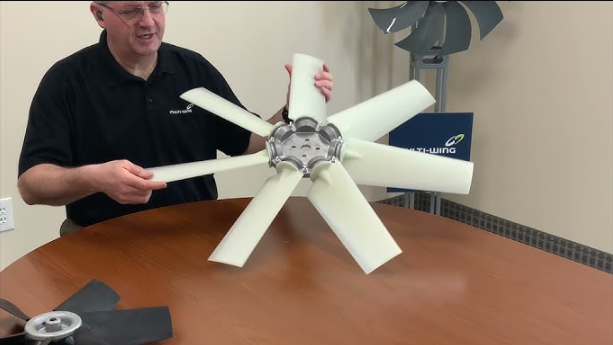
Not all ceiling fans perform equally. Larger rooms require larger fans to move sufficient air volume. Blade pitch also affects performance; steeper blade angles typically move air more efficiently, enhancing the cooling effect.
A properly sized and well-designed fan maximizes the benefits of correct fan direction summer settings and ensures energy-efficient operation.
Common Misunderstandings About Fan Direction in Summer
One of the most persistent myths is that ceiling fans cool empty rooms. In reality, fans should always be turned off when no one is present, as they only cool people through direct airflow.
Another misconception is that fan direction does not matter. In fact, incorrect direction can reduce airflow effectiveness or counteract cooling efforts entirely.
Some people believe running fans continuously is beneficial, but unnecessary operation wastes electricity without providing comfort benefits.
Fan Direction Summer in Different Climates
In humid climates, airflow is especially effective because it accelerates evaporation, making fans feel dramatically cooling. In dry climates, fans still improve comfort by increasing convective heat loss, even though the sensation may feel slightly different.
Regardless of climate, the correct fan direction summer setting remains counterclockwise for optimal comfort.
Using Ceiling Fans With Air Conditioning for Best Results
Ceiling fans are most effective when used alongside air conditioning rather than as a replacement. By allowing the thermostat to be set higher while maintaining comfort, fans reduce AC workload and extend system lifespan.
This combined approach is one of the most cost-effective cooling strategies available to homeowners.
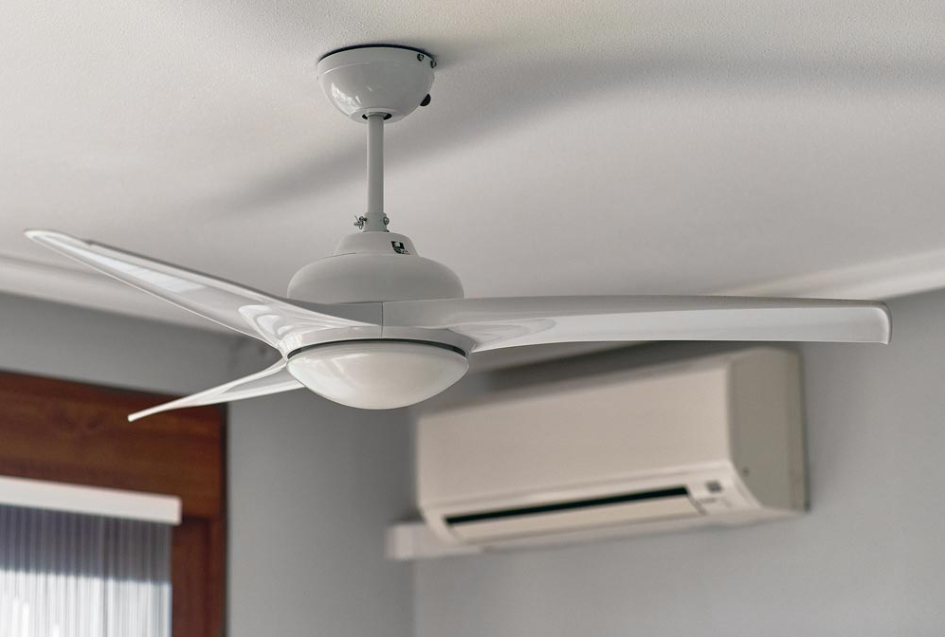
Maintaining Your Fan for Peak Summer Performance
Dust buildup on fan blades reduces airflow efficiency and can contribute to poor indoor air quality. Regular cleaning improves performance and comfort. Balanced blades also matter, as wobbling fans move less air and consume more energy.
Older fans may require occasional lubrication, while newer models are typically maintenance-free.
Conclusion: Why Fan Direction Summer Settings Matter More Than You Think
Correct fan direction summer settings are one of the simplest yet most impactful changes you can make for indoor comfort. By ensuring your ceiling fan spins counterclockwise, you enhance airflow, feel cooler instantly, and reduce reliance on energy-hungry cooling systems.
This small adjustment delivers real comfort, noticeable savings, and improved efficiency—proof that sometimes the smartest solutions are also the simplest.
About The Author