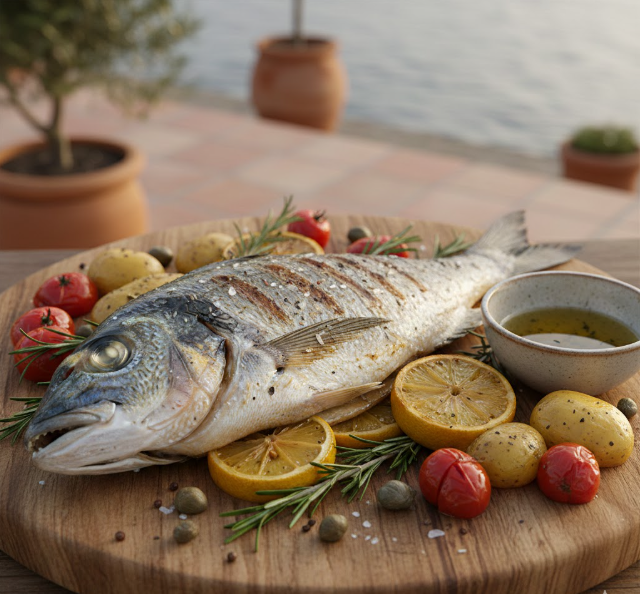
branzino fish
Branzino fish has earned a reputation as one of the most elegant and flavorful seafood options found in Mediterranean cuisine and fine dining restaurants around the world. Known for its delicate texture, mild flavor, and impressive nutritional profile, branzino fish appeals to both professional chefs and home cooks looking for a refined yet approachable seafood experience.
Whether you’ve seen branzino fish on a restaurant menu, heard it praised for its clean taste, or are curious about how to cook it properly, understanding this fish in depth helps you appreciate why it is so highly valued. From its origins in European waters to its versatility in recipes, branzino fish offers a balance of simplicity, health benefits, and culinary sophistication.
What Is Branzino Fish?
Branzino fish is a European sea bass species that has been consumed for centuries in coastal regions of the Mediterranean Sea. It is scientifically known as Dicentrarchus labrax and is prized for its white, flaky flesh and mild, slightly sweet flavor.
In culinary terms, branzino fish is often served whole, grilled or roasted, allowing its natural taste to shine without heavy seasoning. Its popularity has grown far beyond Europe, making it a staple in upscale seafood restaurants globally.
Branzino fish belongs to the sea bass family and thrives in saltwater and brackish environments. It typically grows to a manageable size, making it ideal for individual portions. The fish is recognized by its silvery skin, elongated body, and streamlined shape, which contribute to its efficient swimming in coastal waters.
One of the defining characteristics of branzino fish is its adaptability. It can be wild-caught or responsibly farmed, ensuring year-round availability while maintaining consistent quality. This adaptability has helped branzino fish remain accessible even as demand has increased.
Culinarily, branzino fish stands out because it does not overpower other ingredients. Instead, it complements herbs, citrus, olive oil, and vegetables, allowing chefs to create balanced and elegant dishes.
Branzino Fish Taste: Flavor, Texture, and Culinary Appeal
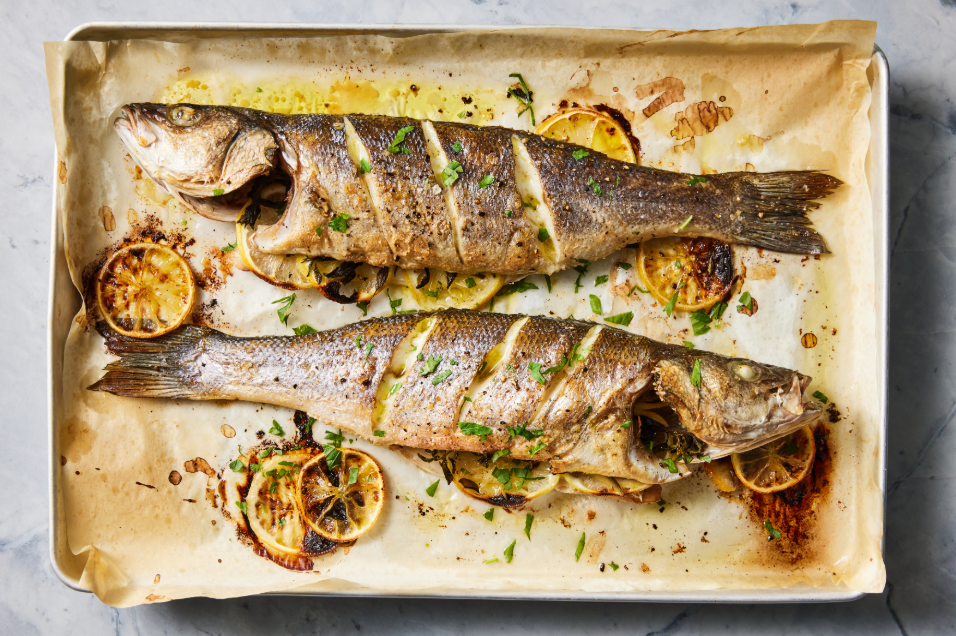
Branzino fish is best described as mild, clean, and slightly sweet. Unlike stronger fish such as mackerel or sardines, branzino fish does not have an overly “fishy” taste, making it appealing to people who are new to seafood.
Its flesh is tender and flaky, yet firm enough to hold its shape during cooking. This balance of texture and flavor is a key reason branzino fish is often featured in fine dining.
The taste of branzino fish reflects its natural environment. Living in clean coastal waters gives it a fresh, oceanic flavor without bitterness. When cooked properly, the flesh separates easily into moist flakes, delivering a light mouthfeel.
Branzino fish absorbs marinades and seasonings exceptionally well. Lemon, garlic, thyme, rosemary, and olive oil enhance its natural sweetness rather than masking it. This versatility allows it to be prepared in a variety of cuisines without losing its identity.
Compared to salmon, branzino fish is leaner and less oily. Compared to cod, it offers a slightly richer texture. This middle ground makes it suitable for people seeking a refined but approachable fish.
Also Read:- Nowadays Drink: How Modern Beverages Reflect Today’s Lifestyle, Health, and Culture
Where Is Branzino Fish Caught?

Branzino fish is traditionally found in the Mediterranean Sea, the eastern Atlantic Ocean, and along European coastlines. It thrives in shallow coastal waters, estuaries, and lagoons where temperatures remain moderate.
Wild branzino fish feeds on small fish, crustaceans, and marine organisms, which contributes to its clean taste and nutritional profile.
Wild-caught branzino fish is primarily harvested from Mediterranean regions, including Italy, Greece, Spain, and France. However, due to increasing demand, farmed branzino fish has become widely available.
Modern aquaculture practices focus on sustainability, controlled feeding, and water quality. Reputable farms adhere to strict environmental standards to ensure the fish remains healthy and safe for consumption. Organizations such as Food and Agriculture Organization and National Oceanic and Atmospheric Administration provide guidelines for sustainable fishing and aquaculture practices.
Also Read:- Mind Eraser Shot: A Complete Guide to This Famous Cocktail Shooter
c: Names and Cultural Significance
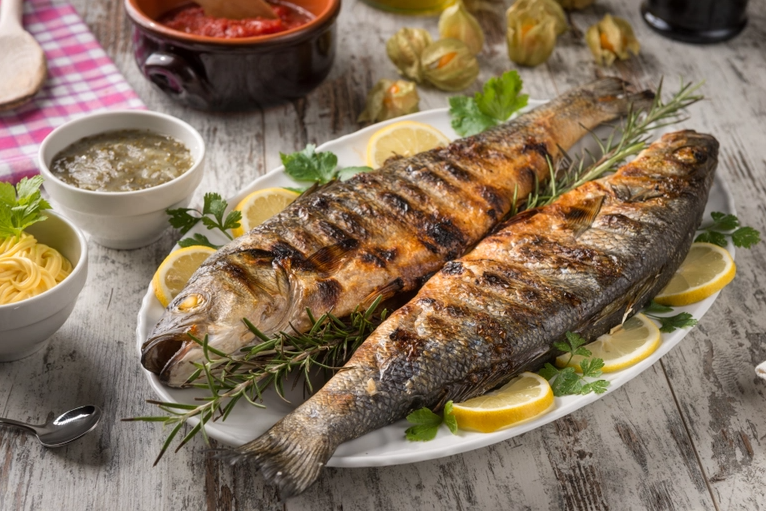
In Spanish-speaking regions, branzino fish is commonly known as “lubina.” This name is widely used in Spain and parts of Latin America, especially in coastal cuisines.
In some Mediterranean areas, it may also be referred to as “róbalo,” though this term can apply to other sea bass species depending on the region.
Lubina holds a special place in Spanish gastronomy. It is frequently prepared simply, often baked whole with olive oil, garlic, and herbs. This approach reflects the Spanish culinary philosophy of letting high-quality ingredients speak for themselves.
In coastal Spanish towns, is associated with freshness and tradition. It is commonly served during family gatherings and festive meals, reinforcing its role as both an everyday and celebratory dish.
Also Read:- Bread Maker: A Complete, Expert Guide to Making Fresh Bread at Home
Branzino Fish Recipe: How to Cook It Perfectly

One of the most popular ways to prepare is whole-roasted or grilled. This method preserves moisture and highlights the fish’s natural flavor.
The fish is typically cleaned, lightly scored, and seasoned with salt, olive oil, lemon slices, and fresh herbs. It is then cooked until the skin becomes crisp and the flesh flakes easily.
Roasting in the oven allows for even cooking and minimal intervention. The skin acts as a natural barrier, keeping the flesh moist while developing a flavorful exterior.
Grilling branzino fish adds a subtle smokiness that complements its mild flavor. Using a well-oiled grill prevents sticking and ensures clean presentation.
Pan-searing branzino fillets is another option, especially for quicker meals. This method creates a golden crust while maintaining a tender interior.
Steaming or poaching branzino fish is ideal for those seeking a lighter preparation. These techniques preserve nutrients and emphasize the fish’s delicate texture.
Also Read:- Nowon East Village A Korean Culinary Gem in NYC’s Trendy East Village
Nutritional Benefits of Branzino Fish
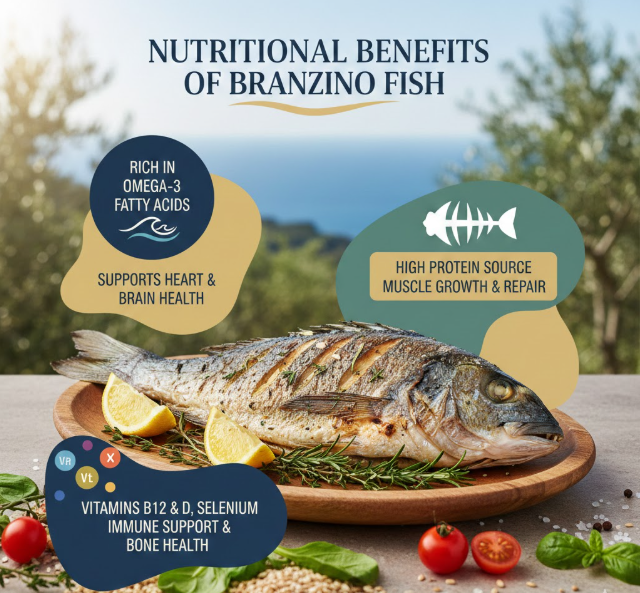
Branzino fish is low in calories and fat while being rich in high-quality protein. It contains essential vitamins and minerals that support overall health.
It is particularly valued for its omega-3 fatty acids, which contribute to heart health, brain function, and inflammation reduction.
A typical serving of provides lean protein that supports muscle maintenance and metabolic function. It also contains vitamin B12, which is essential for nerve health and red blood cell formation.
Minerals such as selenium and phosphorus found in branzino fish support immune function and bone health. Because it is relatively low in mercury compared to larger predatory is considered safe for regular consumption.
Health organizations such as World Health Organization recognize the benefits of incorporating fish into a balanced diet.
Also Read:- Mannacote A Comprehensive Guide to Its Meaning, Uses
How to Buy and Store Branzino Fish

When buying, look for clear, bright eyes and shiny skin. Fresh branzino fish should have a mild ocean smell, not a strong or unpleasant odor.
If purchasing fillets, ensure the flesh is firm and moist without discoloration.
Fresh branzino fish should be stored on ice or in the coldest part of the refrigerator and consumed within one to two days. Freezing is possible, but it may slightly alter texture.
Vacuum-sealed packaging helps preserve freshness and flavor, especially for farmed.
Also Read:- Fruit Basket The Perfect Gift for Every Occasion
Frequently Asked Questions About Branzino Fish
Is branzino fish the same as sea bass?
Branzino fish is a type of European sea bass, but not all sea bass species are branzino.
Does branzino fish have bones?
Yes, when served whole, it contains bones, but they are easy to remove.
Is branzino fish good for beginners?
Yes, its mild flavor makes it ideal for those new to seafood.
Can branzino fish be eaten regularly?
Yes, it is low in mercury and suitable for regular consumption.
Conclusion:
Combines delicate flavor, nutritional value, and culinary versatility in a way few seafood options can match. From its Mediterranean roots to its growing global popularity, branzino fish continues to impress chefs, health experts, and home cooks alike.
Whether you enjoy it grilled, roasted, or simply seasoned with olive oil and herbs, offers a refined yet accessible seafood experience. Understanding its taste, origin, and preparation ensures you can enjoy this exceptional fish with confidence and appreciation.
For More UpdateS Visit: Supreme Magazine
About The Author