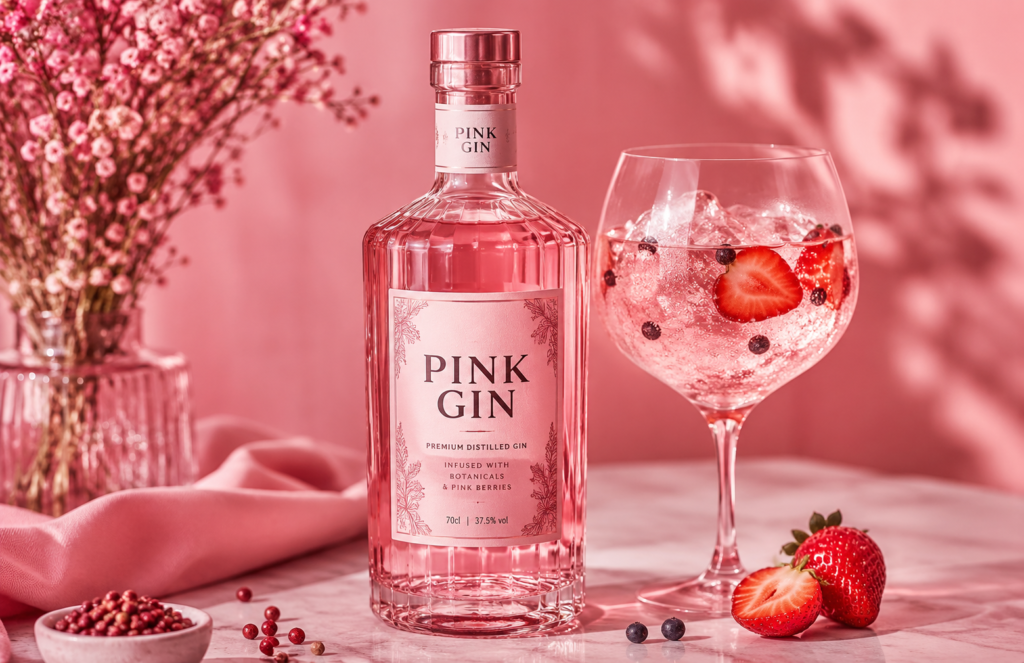
Pink Gin
Pink Gin has a fascinating history that dates back to the 19th century during the era of the British Royal Navy. Sailors and naval officers commonly mixed gin with Angostura bitters, a herbal tonic originally created for medicinal purposes to help with digestion and stomach discomfort during long sea journeys. The bitters slightly changed the color of the drink, giving it a soft pink tint that eventually inspired the name “Pink Gin.” Unlike the sweet and fruity versions available today, the original recipe was dry, aromatic, and heavily botanical. Over time, the drink became popular in British clubs and cocktail bars, eventually evolving into the modern fruit-infused spirit category that is now recognized worldwide for its vibrant appearance and refreshing flavor.
Why Pink Gin Became a Modern Cocktail Trend
Pink Gin became a major trend in modern cocktail culture because it offers a sweeter and more approachable alternative to traditional gin. Many people find classic gin too dry or heavily botanical, while pink gin provides fruity flavors such as strawberry, raspberry, and pink grapefruit that create a smoother drinking experience. This balance between sweetness and botanical freshness helped attract younger consumers and casual cocktail drinkers who wanted something stylish, refreshing, and easy to enjoy. As flavored spirits gained popularity in the beverage industry, pink gin quickly stood out due to its distinctive color and versatile taste profile.
Another important factor behind the rise of pink gin is the influence of social media and lifestyle marketing. Bars, restaurants, and beverage brands began presenting pink gin cocktails in visually appealing glasses filled with fruit garnishes, colorful mixers, and decorative ice. These eye-catching drinks became highly shareable on platforms like Instagram and TikTok, helping the trend spread rapidly across global markets. Major alcohol brands also invested heavily in marketing campaigns that positioned pink gin as a fashionable drink for parties, brunches, and summer gatherings, turning it into one of the fastest-growing categories in the modern spirits industry.
Popular Pink Gin Brands Dominating the Market
Several global brands have played a major role in making Pink Gin one of the most recognized flavored spirits in the world. Gordon’s Premium Pink Gin became especially popular for its blend of traditional gin botanicals with strawberry and raspberry flavors, while Beefeater Pink introduced a fresh strawberry-focused profile aimed at younger cocktail lovers. Premium brands like Edinburgh Gin and Malfy Rosa also helped expand the category by offering more sophisticated flavors such as rhubarb, ginger, and pink grapefruit. These brands successfully combined modern flavor trends with elegant packaging and strong social media marketing, helping pink gin gain a lasting presence in bars, restaurants, and retail stores worldwide.
How Pink Gin Is Served in Bars and at Home
One of the biggest reasons for the popularity of Pink Gin is its versatility in cocktails and mixed drinks. In bars, it is commonly served with tonic water, plenty of ice, and fresh fruit garnishes such as strawberries, raspberries, or grapefruit slices. Bartenders often use elegant balloon glasses and colorful presentation styles to enhance the visual appeal of the drink. Some cocktail menus also feature pink gin mixed with prosecco, lemonade, soda water, or even champagne to create refreshing and festive beverages that are especially popular during summer events and brunch gatherings.
At home, pink gin has become a favorite choice for casual entertaining because it is simple to prepare and does not require advanced bartending skills. Many people enjoy experimenting with easy cocktail recipes using fresh herbs, berries, and flavored mixers to create personalized drinks. Its naturally vibrant color and fruity aroma make it ideal for parties and social occasions where presentation matters just as much as taste. The accessibility and convenience of pink gin cocktails have helped the spirit maintain strong popularity among both beginners and experienced cocktail enthusiasts.
Flavor Profiles That Make Pink Gin Unique
The unique appeal of Pink Gin comes from its balance of classic gin botanicals and sweet fruit-infused flavors. While traditional gin is known for strong juniper and herbal notes, pink gin introduces softer flavors such as strawberry, raspberry, cherry, rhubarb, and pink grapefruit, creating a smoother and more refreshing taste. Some premium varieties also include floral ingredients like hibiscus or rose petals to add extra depth and aroma. This combination of fruity sweetness and botanical freshness makes pink gin more approachable for new drinkers while still offering enough complexity for experienced gin enthusiasts who enjoy creative cocktails and modern flavor combinations.
Social Media and the Rise of Pink Gin Culture
The rapid rise of Pink Gin is closely tied to the influence of social media platforms, where visually appealing drinks often gain viral attention. Pink gin cocktails, with their bright color and stylish presentation, naturally stand out in photos and videos shared on Instagram, TikTok, and Pinterest. Bars and brands quickly adapted to this trend by designing drinks with decorative garnishes, layered colors, and elegant glassware to make them more “shareable” online. This visual appeal helped pink gin move beyond traditional bar culture and become part of a broader lifestyle aesthetic centered around summer drinks, brunch culture, and social gatherings.
Influencers and beverage brands also played a major role in shaping pink gin’s online identity by promoting it as a fashionable and fun spirit for casual occasions. Hashtag-driven campaigns and user-generated content helped spread awareness quickly, allowing pink gin to reach global audiences without relying solely on traditional advertising. As a result, pink gin became not just a drink, but a social media-friendly experience that blends taste, style, and lifestyle branding into one highly engaging trend.
Pink Gin Cocktail Recipes Worth Trying
Pink Gin is widely loved for its simplicity and flexibility, making it an excellent base for a variety of easy and refreshing cocktails. One of the most popular options is the classic pink gin and tonic, where pink gin is mixed with tonic water, ice, and fresh berries to create a crisp and fruity drink. Another favorite is the pink gin spritz, which combines pink gin with prosecco and soda water for a light, sparkling cocktail that is perfect for parties or warm-weather occasions. For those who prefer something slightly more creative, a berry pink gin fizz blends citrus juice, mixed berries, and soda water, offering a refreshing balance of sweetness and acidity that enhances the natural fruit flavors of the spirit while keeping the drink light and enjoyable.
Is Pink Gin Here to Stay?
The future of Pink Gin looks strong as it continues to benefit from the growing global demand for flavored and easy-to-drink spirits. Unlike short-lived trends, pink gin has established itself within the broader gin category by appealing to both beginners and experienced drinkers. Its fruity profile, combined with the flexibility to be used in simple mixers or premium cocktails, gives it a stable position in the modern drinks market. As consumers increasingly look for beverages that offer both taste and visual appeal, pink gin remains well-aligned with evolving preferences in the alcoholic beverage industry.
Another reason pink gin is likely to stay relevant is continuous innovation from distilleries and brands. New variations featuring seasonal fruits, botanical blends, and limited-edition releases keep the category fresh and exciting. At the same time, its strong presence in bars, restaurants, and retail stores ensures consistent visibility. As long as drinkers continue to value approachable flavors and Instagram-friendly presentation, pink gin is expected to remain a key player in the global spirits market for years to come.
Conclusion
Pink Gin has successfully transformed from a historic naval drink into a modern cocktail phenomenon that blends tradition with contemporary taste preferences. Its rise is driven by a combination of approachable fruity flavors, strong branding, and its visually appealing presentation that fits perfectly into today’s social media culture. From bars to home kitchens, pink gin continues to attract a wide audience by offering simplicity, versatility, and a refreshing drinking experience. As the spirits industry evolves, pink gin stands out as a clear example of how innovation and aesthetics can reshape a classic category into a global trend that shows no signs of fading anytime soon.
FAQs
1. What is Pink Gin?
Pink Gin is a flavored version of gin infused with fruits like strawberry, raspberry, or grapefruit, giving it a pink color and sweeter taste.
2. How is Pink Gin different from regular gin?
Pink gin is generally fruitier and sweeter, while regular gin has a stronger juniper and herbal flavor profile.
3. What mixers go best with Pink Gin?
Common mixers include tonic water, lemonade, soda water, and prosecco.
4. Is Pink Gin alcoholic like normal gin?
Yes, most pink gin has a similar alcohol content to standard gin, usually around 37.5% ABV.
About The Author