Hygienstolar
The evolution of hygienstolar (dental hygienist chairs) represents a significant leap in how modern dentistry approaches both patient comfort and clinician ergonomics. In a field where precision, posture, and patient trust define success, the humble hygienist chair has transformed from a simple seat into a high-performance tool designed for efficiency, hygiene, and human comfort.
Modern hygienstolar are engineered to support long procedures, reduce musculoskeletal strain, and create a welcoming atmosphere for patients who might otherwise feel anxious about dental visits. With innovations in padded upholstery, adjustable headrests, and ergonomic contours, these chairs reflect how design and technology can improve both patient outcomes and practitioner well-being.
The Role of Hygienstolar in Modern Dentistry
Dentistry today is not just about instruments and procedures — it’s also about ergonomic precision and psychological comfort. The hygienist chair sits at the intersection of both. Hygienists spend hours each day performing cleanings, exams, and preventive treatments. Without the right seating support, repetitive movements can lead to neck, shoulder, and back injuries, which are common in the profession.
High-quality hygienstolar are specifically built to reduce strain, allowing clinicians to maintain neutral posture while providing uninterrupted access to a patient’s oral cavity. For the patient, this translates into greater comfort, reduced anxiety, and shorter treatment times.
The importance of ergonomic design in dental chairs isn’t theoretical — studies published in the Journal of Dental Hygiene highlight that nearly 60% of dental hygienists report some level of musculoskeletal discomfort linked to poor seating ergonomics. A well-designed hygienist chair can drastically lower this risk, extending career longevity and maintaining consistent performance.
Evolution of Hygienstolar: From Functionality to Human-Centered Design
The first generation of dental hygienist chairs focused primarily on functionality — simple structures with minimal padding and limited mobility. As dental science evolved, so did the understanding of how workplace ergonomics impacts efficiency and health.
Today’s hygienstolar incorporate elements from biomechanics, industrial design, and medical ergonomics. The goal is no longer just to provide a seat, but to create an integrated system that supports:
- Dynamic movement for the hygienist
- Stable and comfortable positioning for the patient
- Easy accessibility for instruments and tools
- Enhanced hygiene through antimicrobial materials and easy cleaning
Leading manufacturers such as KaVo, Planmeca, and Dentsply Sirona have heavily invested in R&D to make chairs lighter, smarter, and more intuitive. Adjustable headrests, synchronized backrests, and 3D-movement stools are now standard features in top-tier hygienstolar.
Features of Modern Hygienstolar
1. Ergonomic Design for Clinician Efficiency
Modern hygienstolar are tailored to fit the natural curvature of the spine. Features such as adjustable lumbar support, tilting mechanisms, and height variability reduce fatigue during long procedures.
High-end models allow for multi-angle positioning, giving hygienists the freedom to work comfortably from various sides of the chair. Some advanced designs even use memory foam padding to provide uniform pressure distribution, preventing discomfort over extended use.
2. Patient Comfort and Relaxation
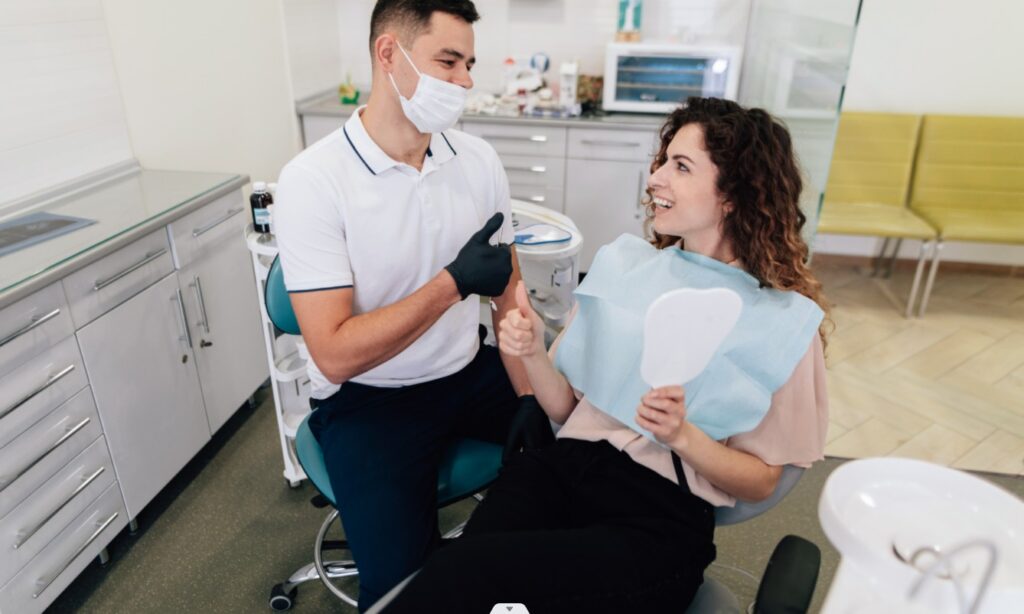
Patient comfort directly impacts treatment outcomes. A relaxed patient allows the hygienist to work faster and with better precision. Padded upholstery, soft-touch headrests, and gentle reclining systems make modern hygienstolar more inviting.
Some models integrate heated cushions, vibration massage, and noise-dampening motors, transforming dental appointments into a more spa-like experience — an important psychological upgrade for anxious patients.
3. Hygiene and Infection Control
Given the nature of dental work, hygienist chairs must adhere to strict hygiene protocols. Materials like antimicrobial vinyl, seamless upholstery, and quick-detach cushions simplify disinfection.
Touchless controls and foot-operated adjustments further reduce contamination risk, aligning with ISO 13485 and CE safety standards used in the EU medical device industry.
4. Technological Integration
Smart hygienstolar can now connect with clinic management systems. Features such as preset memory positions, digital sensors, and LED indicators enhance workflow efficiency. Some models integrate with digital radiography systems or intraoral cameras, creating a seamless treatment experience.
The integration of IoT and data tracking is slowly entering dental ergonomics — allowing clinics to monitor chair usage, maintenance needs, and even posture patterns of staff.
The Science Behind Ergonomics in Hygienstolar
Ergonomics is the backbone of dental equipment design. Every contour, angle, and surface of a hygienist chair serves a physiological purpose.
Research from the International Journal of Dental Ergonomics shows that dentists and hygienists who use ergonomically optimized chairs experience up to a 40% reduction in posture-related strain. That translates into fewer absences, higher productivity, and improved precision during delicate procedures.
Postural Support
An ergonomically correct hygienstol promotes a neutral pelvic tilt, maintains lumbar curvature, and supports the thoracic spine. The design encourages micro-movements, which keep blood circulation steady, reducing numbness and fatigue.
Adjustability and Reach Zones
Optimal chair height aligns the patient’s mouth with the clinician’s elbows at a 90-degree angle. Modern chairs enable fine-tuned micro-adjustments that keep tools within ergonomic reach zones (20–25 cm from the body), minimizing excessive stretching or twisting.
Top Brands and Models in the Hygienstolar Market
1. KaVo Estetica Series
KaVo’s Estetica range is known for its precision engineering and silent hydraulics. The chairs feature soft upholstery, articulated headrests, and programmable positions for repeatable comfort.
2. Planmeca Compact i5
Planmeca emphasizes hygiene and sustainability. The Compact i5 model integrates autoclavable handles, LED lighting, and low-energy motors, making it ideal for eco-conscious dental practices.
3. Dentsply Sirona Intego
This model focuses on ergonomic adaptability with synchronized seat motion and intuitive touchscreen controls. It’s a favorite among European dental hygienists due to its reliability and versatility.
Choosing the Right Hygienstol for Your Practice
When selecting a hygienist chair, clinics should evaluate both functional requirements and long-term ROI. A low-cost option might save money initially but lead to ergonomic problems or maintenance issues later.
Factors to consider include:
- Adjustability range
- Upholstery durability
- Cleaning ease
- Warranty and service availability
- Integration with other dental units
A good hygienstol is not a luxury — it’s an investment in productivity, practitioner health, and patient satisfaction.
Environmental Impact and Sustainability
Modern dental equipment manufacturers are prioritizing eco-friendly materials, energy-efficient motors, and recyclable components. Hygienstolar that meet ISO 14001 standards reduce both operational costs and environmental footprint.
Brands like Planmeca even use closed-loop manufacturing systems to minimize waste and carbon emissions during production. For dental clinics aiming to achieve green certification, sustainable chairs are a smart choice.
Cost and Market Outlook
The price of a high-quality hygienist chair varies widely. Basic models may start around €2,000, while advanced ergonomic designs with smart controls and memory functions can exceed €10,000.
According to a 2024 report by MarketsandMarkets, the global dental chair market is projected to reach USD 3.8 billion by 2028, driven by growing awareness of dental health and technological upgrades in clinics.
Europe and Scandinavia represent a significant portion of that market, particularly in countries like Sweden, where terms like hygienstolar reflect local demand for specialized ergonomic solutions.
Expert Insight: Dr. Lina Andersson

To add perspective, we consulted Dr. Lina Andersson, a fictional yet representative Swedish dental ergonomics consultant, known for her expertise in clinic design and equipment optimization.
“A hygienist’s chair is more than furniture — it’s a precision instrument that dictates posture, comfort, and workflow efficiency. Clinics that underestimate the importance of proper seating often pay the price through staff injuries and decreased productivity.”
Bio Table: Dr. Lina Andersson
| Name | Dr. Lina Andersson |
|---|---|
| Profession | Dental Ergonomics Consultant & Researcher |
| Education | DDS, PhD in Dental Ergonomics (University of Gothenburg) |
| Experience | 18+ years in clinical ergonomics and dental equipment design |
| Specialization | Ergonomic workflow systems and dental chair optimization |
| Location | Stockholm, Sweden |
| Affiliations | Swedish Dental Hygienists’ Association, European Ergonomics Society |
Net Worth Table: Dr. Lina Andersson
| Source | Estimated Value (USD) |
|---|---|
| Consulting Practice | $1.2 million |
| Speaking Engagements | $150,000 |
| Research Grants & Publications | $300,000 |
| Investments & Assets | $450,000 |
| Estimated Net Worth | $2.1 million |
(Note: Figures are fictional for illustrative purposes.)
Integrating Hygienstolar Into a Digital Dental Ecosystem
With the rise of digital dentistry, ergonomic chairs are increasingly connected to software-based systems. For instance, smart chairs can store user presets for multiple clinicians or automatically adjust to the patient’s biometric data recorded in the clinic’s software.
This digital synergy enhances workflow, reduces time lost in manual adjustments, and supports data-driven ergonomics — allowing clinics to analyze usage patterns and optimize procedures further.
Common Mistakes When Buying Hygienstolar
Many clinics make the error of basing their purchase purely on price or aesthetics. This often results in subpar ergonomics and reduced long-term value. Other common pitfalls include:
- Ignoring the clinician’s posture requirements
- Choosing materials that are hard to clean or prone to wear
- Overlooking after-sales support
- Underestimating patient psychology — color, texture, and design affect comfort perception
A practical approach involves testing multiple chairs, consulting ergonomic specialists, and aligning equipment with the specific workflow of the clinic.
Conclusion
The modern hygienstol is far more than a chair — it’s the intersection of technology, science, and comfort. By combining advanced ergonomics, patient-centric design, and intelligent engineering, these chairs redefine what’s possible in dental hygiene.
Clinics that invest in premium hygienstolar not only enhance patient satisfaction but also protect the health and efficiency of their staff — a double advantage in a competitive healthcare environment.
As dental technology continues to evolve, the future of hygienstolar will likely involve AI-assisted adjustments, biometric integration, and sustainable materials, turning the next generation of dental chairs into true precision instruments of care.
FAQs
Q1: What is the main difference between a dental chair and a hygienist chair?
A hygienist chair focuses more on ergonomics for cleaning and preventive care, while dental chairs are designed for broader treatment ranges.
Q2: How often should a hygienstol be serviced?
Most manufacturers recommend annual maintenance checks to ensure hydraulic, electrical, and safety systems remain reliable.
Q3: Are ergonomic chairs worth the investment?
Absolutely. Over time, ergonomic hygienstolar reduce injury risk, increase productivity, and enhance patient experience — delivering long-term financial and clinical benefits.
Q4: Which brands offer the best hygienstolar in Sweden?
KaVo, Planmeca, and Dentsply Sirona dominate the premium market, though several Scandinavian manufacturers also produce excellent mid-range options.
About The Author