Nigel Farage
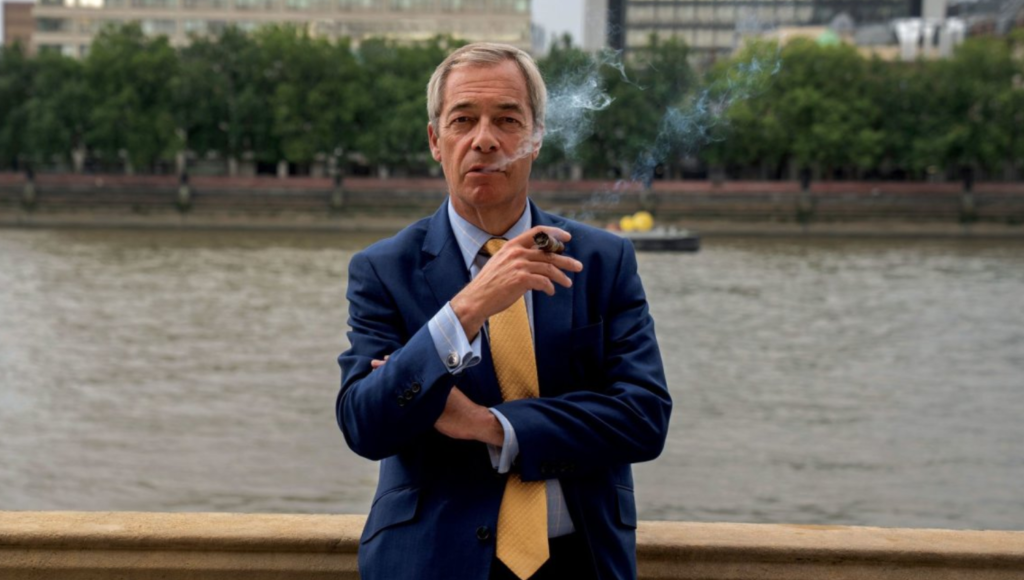
Nigel Farage is a British politician, broadcaster, and former commodities trader who has played a significant role in shaping modern British politics. Born on April 3, 1964, he became widely known for his strong views on national sovereignty, immigration, and the United Kingdom’s relationship with the European Union. As a founding member and former leader of the UK Independence Party (UKIP), he spent years campaigning for Britain to leave the EU, making him one of the most recognizable figures in the Brexit movement. After Brexit, Nigel Farage continued his political career by leading Reform UK and serving as the Member of Parliament for Clacton following the 2024 general election. While his supporters praise him for influencing one of the most significant political decisions in recent British history, his critics argue that his outspoken style has contributed to political division. Regardless of differing opinions, Nigel Farage remains one of the most influential and widely discussed political figures in the United Kingdom.
Early Political Career and Rise of UKIP
Nigel Farage began his political journey in the early 1990s after becoming increasingly dissatisfied with Britain’s growing integration into the European Union. In 1993, he became one of the founding members of the UK Independence Party (UKIP), a political party established with the primary goal of securing the United Kingdom’s withdrawal from the EU. At the time, UKIP was a relatively small party with limited public recognition, but Farage’s energetic campaigning and direct communication style gradually helped it gain national attention. He frequently appeared in television debates, interviews, and public events, where he argued that Britain should regain control over its laws, borders, and trade policies. His ability to connect with voters who felt overlooked by the major political parties played a crucial role in expanding UKIP’s support across the country.
Farage’s influence continued to grow after he was elected as a Member of the European Parliament (MEP) in 1999, a position he held for more than two decades. Throughout his time in the European Parliament, he became known for his outspoken speeches criticizing the EU’s leadership and advocating for greater British independence. Under his leadership, UKIP achieved remarkable success in the 2014 European Parliament elections, finishing first in the UK and breaking the long-standing dominance of the Conservative and Labour parties in a nationwide election. This historic result demonstrated that public support for leaving the European Union was becoming increasingly mainstream and positioned Nigel Farage as one of the most influential voices in British politics ahead of the Brexit referendum.
Nigel Farage’s Role in the Brexit Campaign
Nigel Farage was one of the most recognizable and influential figures during the campaign leading up to the 2016 Brexit referendum. Although the official Vote Leave campaign was led by several prominent politicians, Farage and UKIP had spent years building public support for leaving the European Union long before the referendum was announced. Through nationwide rallies, media appearances, public debates, and grassroots campaigning, he consistently argued that Brexit would allow the United Kingdom to regain control over its borders, laws, immigration policies, and trade agreements. His straightforward messaging resonated with many voters who believed the country should have greater independence from EU institutions. When the referendum resulted in a 52% vote to leave the European Union, Nigel Farage described it as a victory for national sovereignty and democratic choice. Regardless of differing political views, his persistence and long-term campaigning made him one of the defining personalities behind the Brexit movement and a central figure in one of the most significant political events in modern British history.
How Brexit Changed British Politics
The Brexit referendum fundamentally reshaped the British political landscape, with its effects extending far beyond the United Kingdom’s departure from the European Union. Traditional party loyalties shifted as Brexit became one of the most important issues in national politics, influencing elections, government policies, and public debate. The Conservative Party increasingly focused on delivering Brexit, while the Labour Party faced internal divisions over its position on the issue. Brexit also sparked discussions about trade, immigration, border control, and the future relationship between the UK and Europe, making these topics central to political decision-making. As a result, British politics entered a new era in which questions of national identity and sovereignty became more prominent than ever before.
For Nigel Farage, Brexit marked both the achievement of his long-standing political goal and the beginning of a new phase in his career. Although the UK officially left the European Union in 2020, Farage continued to argue that further political and economic reforms were necessary to maximize the benefits of Brexit. He remained active in public debate, advocating for stricter immigration policies, lower taxes, and broader political reform. His continued influence demonstrated that Brexit was not simply a single political event but a catalyst for lasting changes in British politics. Even years after the referendum, many of the country’s biggest political discussions continue to be shaped by the issues that Nigel Farage helped bring into the national spotlight.
Life After Brexit: Reform UK and New Political Influence
Following the UK’s departure from the European Union, Nigel Farage shifted his focus from Brexit to broader domestic issues by supporting and later leading Reform UK. The party campaigns on policies such as reducing immigration, lowering taxes, reforming public services, and changing what it describes as an outdated political system. Farage has continued to use television appearances, public speeches, and social media to influence political debate and maintain a strong public profile. In the 2024 UK general election, he returned to frontline politics by winning the Clacton constituency and becoming a Member of Parliament, while Reform UK secured representation in Parliament and increased its national visibility. His return demonstrated that, even after achieving his long-standing goal of Brexit, Nigel Farage remains an influential figure whose ideas continue to shape discussions about the future direction of British politics.
Supporters, Critics, and Lasting Legacy
Nigel Farage remains one of the most divisive figures in modern British politics, attracting both passionate support and strong criticism. Supporters view him as a politician who challenged the political establishment and gave a voice to voters who felt ignored by the major parties. They credit him with keeping the issue of EU membership in the national spotlight for decades and believe his efforts were instrumental in making the Brexit referendum possible. Many also admire his direct communication style and willingness to address controversial topics such as immigration, national sovereignty, and government accountability.
Critics, however, argue that Farage’s rhetoric has contributed to political polarization and social division. They have questioned some of his campaign messages and accused him of oversimplifying complex political issues. Despite these criticisms, few dispute his influence on British politics. His role in changing the national conversation about the European Union and his continued impact through Reform UK have secured his place as one of the most significant political figures of the 21st century. Whether viewed as a champion of democratic change or a controversial populist, Nigel Farage has left a lasting legacy that continues to shape political debate across the United Kingdom.
Conclusion
Nigel Farage has had a profound impact on British politics through his long campaign for the United Kingdom’s withdrawal from the European Union and his continued influence after Brexit. From helping build UKIP into a major political force to playing a prominent role in the Brexit movement and later leading Reform UK, he has consistently shaped debates on sovereignty, immigration, and political reform. While opinions about him remain deeply divided, his influence on modern British politics is undeniable. His political career demonstrates how one determined campaigner can alter the direction of a nation’s history, ensuring that Nigel Farage will remain a significant figure in discussions about the UK’s political future.
FAQs
1. Who is Nigel Farage?
Nigel Farage is a British politician and leader of Reform UK, best known for his leading role in campaigning for the United Kingdom to leave the European Union.
2. What role did Nigel Farage play in Brexit?
He spent many years campaigning for Brexit through UKIP and was one of the most prominent public figures advocating for the UK to leave the European Union before the 2016 referendum.
3. Is Nigel Farage currently a Member of Parliament?
Yes. Nigel Farage was elected as the Member of Parliament for Clacton in the 2024 UK general election.
4. Why is Nigel Farage considered influential?
He significantly influenced British political debate by bringing issues such as Brexit, immigration, and national sovereignty into mainstream politics, leaving a lasting impact on the UK’s political landscape.
About The Author