nowadays drink
In every era, what people drink says a great deal about how they live. The concept of a nowadays drink goes far beyond quenching thirst. It reflects changing health priorities, technological innovation, social habits, and even global culture. From functional beverages and plant-based alternatives to artisanal coffee and low-alcohol options, modern drinks are no longer just refreshments—they are statements of identity, wellness, and convenience.
Today’s beverage landscape is shaped by informed consumers, scientific research, and digital influence. People want drinks that fit into busy routines, support mental and physical health, and align with personal values such as sustainability and ethical sourcing. This article explores what a nowadays drink truly means, how trends have evolved, why health and functionality dominate modern choices, and how these beverages influence daily life around the world.
Understanding the Meaning of a “Nowadays Drink”
A nowadays drink can be defined as any beverage that aligns with current consumer expectations: health-conscious, convenient, innovative, and culturally relevant. Unlike traditional drinks that focused primarily on taste or tradition, modern beverages often serve multiple purposes at once.
Consumers now look for hydration, nutrition, energy, relaxation, and even social connection in a single bottle or cup. This shift explains the rise of drinks enriched with vitamins, minerals, probiotics, adaptogens, or natural caffeine sources. At the same time, there is growing skepticism toward excessive sugar, artificial additives, and overly processed ingredients.
What makes a drink “modern” is not just its ingredients, but the mindset behind it. Transparency, functionality, and lifestyle alignment are now essential.
The Evolution of Drinking Habits in the Modern Era
Drinking habits have changed dramatically over the last few decades. In the past, choices were limited to water, tea, coffee, milk, and sugary soft drinks. Today, shelves are filled with sparkling waters, protein shakes, herbal infusions, cold brews, kombucha, and alcohol-free spirits.
Urbanization and fast-paced lifestyles have pushed consumers toward ready-to-drink solutions. At the same time, increased access to information has made people more aware of how beverages affect long-term health. Scientific studies linking high sugar intake to obesity and metabolic disorders have encouraged a shift away from traditional sodas toward low-calorie or sugar-free alternatives.
Globalization has also played a role. Drinks that were once region-specific are now available worldwide. For example, kombucha, once a niche fermented tea, has become a mainstream health beverage in many countries.
Also Read: Bread Maker: A Complete, Expert Guide to Making Fresh Bread at Home
Health as the Core of the Nowadays Drink Trend
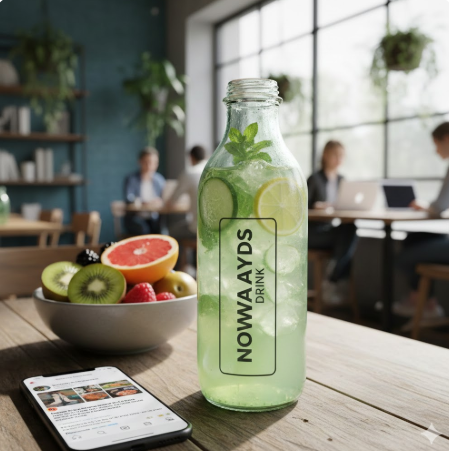
Health is the single most influential factor behind modern beverage choices. A nowadays drink is often expected to provide some functional benefit beyond basic hydration.
Many consumers now prefer drinks that support digestion, immunity, mental clarity, or energy without relying on artificial stimulants. This explains the popularity of probiotic beverages, electrolyte-enhanced waters, and drinks fortified with vitamin D, B-complex vitamins, or magnesium.
Hydration itself has been redefined. Instead of plain water, people turn to infused waters or mineral drinks that promise better absorption and balance. Sports and fitness culture has further driven demand for protein-enriched drinks and recovery beverages.
Mental health awareness has also influenced the beverage market. Calming teas, magnesium drinks, and low-caffeine alternatives appeal to people seeking stress relief in a natural way.
Popular Types of Nowadays Drinks
Coffee Culture and Modern Caffeine Choices
Coffee remains one of the most influential beverages of our time, but the way it is consumed has changed significantly. Cold brew, nitro coffee, and specialty espresso-based drinks dominate urban cafés. Brands like Starbucks have helped turn coffee into a lifestyle experience rather than just a morning necessity.
At the same time, many consumers are switching to alternative caffeine sources such as matcha or yerba mate, which offer smoother energy without sharp crashes. Decaffeinated and low-caffeine options have also gained popularity among health-conscious drinkers.
Functional and Wellness Drinks
Functional beverages are a defining feature of the nowadays drink category. These include drinks designed to boost immunity, improve gut health, or enhance focus. Probiotic drinks, collagen waters, and adaptogenic beverages made with herbs like ashwagandha are now widely consumed.
Kombucha is one of the most well-known examples. This fermented tea offers probiotics that support digestion and has become a staple in health-focused communities.
Soft Drinks and Their Modern Reinvention
Traditional sodas are no longer as dominant as they once were, but they have not disappeared. Instead, they have evolved. Companies such as Coca-Cola now offer zero-sugar, low-calorie, and naturally flavored alternatives to meet modern expectations.
Sparkling water brands and botanical sodas appeal to consumers who want fizz without excessive sweetness. These drinks often use natural extracts and minimal ingredients, aligning with clean-label trends.
Alcohol-Free and Low-Alcohol Beverages
Another major shift in modern drinking culture is the rise of alcohol-free and low-alcohol drinks. Many people want to socialize without the negative health effects of alcohol. As a result, non-alcoholic beers, mocktails, and alcohol-free spirits have become widely accepted.
This trend reflects a broader cultural movement toward moderation and mindfulness rather than restriction.
Also Read: Nowon East Village A Korean Culinary Gem in NYC’s Trendy East Village
The Role of Sustainability in Modern Beverage Choices
Sustainability is no longer optional in the beverage industry. A nowadays drink is often evaluated not just by what is inside the bottle, but by how that bottle was produced and disposed of.
Consumers increasingly prefer brands that use recyclable or biodegradable packaging, reduce water waste, and source ingredients ethically. Plant-based drinks, such as oat or almond milk, are often chosen not only for health reasons but also for their lower environmental impact compared to dairy.
Transparency matters. Brands that clearly communicate sourcing, production methods, and environmental initiatives tend to build stronger trust and loyalty.
Technology and Innovation Shaping the Nowadays Drink
Technology has transformed how drinks are developed, marketed, and consumed. Advanced food science allows manufacturers to create beverages with precise nutritional profiles. Digital platforms enable brands to connect directly with consumers and respond quickly to emerging trends.
Smart packaging, subscription-based delivery models, and personalized nutrition are becoming more common. Some companies now offer customized drink mixes based on individual health goals, such as hydration, energy, or sleep support.
Social media has also played a significant role. Viral trends can turn a niche beverage into a global phenomenon almost overnight.
Also Read: Mannacote A Comprehensive Guide to Its Meaning, Uses
Cultural Influence on What People Drink Today
Drinks are deeply tied to culture and identity. A nowadays drink often reflects global influences blended with local traditions. For example, bubble tea, once primarily associated with East Asia, is now popular worldwide among younger consumers.
Similarly, traditional herbal drinks are being rediscovered and rebranded for modern audiences. This blending of old and new creates beverages that feel both familiar and innovative.
In social settings, drinks act as conversation starters and symbols of belonging. Choosing a particular beverage can signal lifestyle choices, health priorities, or even social values.
Economic and Market Trends in the Modern Beverage Industry
The global beverage market continues to grow, driven largely by innovation and premiumization. Consumers are often willing to pay more for drinks that promise quality, health benefits, and ethical production.
Small, independent brands have gained ground by focusing on niche markets and authenticity. At the same time, large corporations invest heavily in research and acquisitions to stay relevant.
E-commerce has also changed how people buy drinks. Online ordering and home delivery make it easier to explore new products without geographic limitations.
The Future of Nowadays Drinks
Looking ahead, the concept of a nowadays drink will continue to evolve. Personalization, sustainability, and mental well-being are expected to play even bigger roles. Advances in biotechnology may lead to drinks tailored to individual genetics or microbiomes.
At the same time, simplicity may become a new form of innovation. As consumers grow tired of overcomplicated formulas, clean, minimal ingredient lists could become the ultimate mark of trust.
What remains constant is the idea that drinks are no longer passive products. They are active participants in how people live, work, and connect.
Also Read: Nerovet AI Dental Company: Transforming Modern Dentistry
Conclusion: Why Nowadays Drinks Matter More Than Ever
A nowadays drink is more than a beverage—it is a reflection of modern life. It represents health awareness, cultural exchange, technological progress, and environmental responsibility. From functional wellness drinks to reinvented classics, modern beverages are designed to support both body and lifestyle.
Understanding these trends helps consumers make informed choices and allows businesses to create products that truly meet contemporary needs. As preferences continue to shift, one thing is clear: what we drink today tells a powerful story about who we are and how we choose to live.
Frequently Asked Questions About Nowadays Drinks
What defines a nowadays drink?
A nowadays drink aligns with modern values such as health, convenience, sustainability, and transparency, often offering functional benefits beyond basic hydration.
Are modern drinks healthier than traditional ones?
Many are designed to be healthier, with less sugar and added nutrients, but it is still important to read labels and choose based on individual needs.
Why are functional drinks so popular today?
They address specific health goals like energy, digestion, or relaxation, which resonates with busy, health-conscious consumers.
Will traditional drinks disappear?
No. Traditional drinks are evolving rather than disappearing, often being reformulated to meet modern expectations.
About The Author