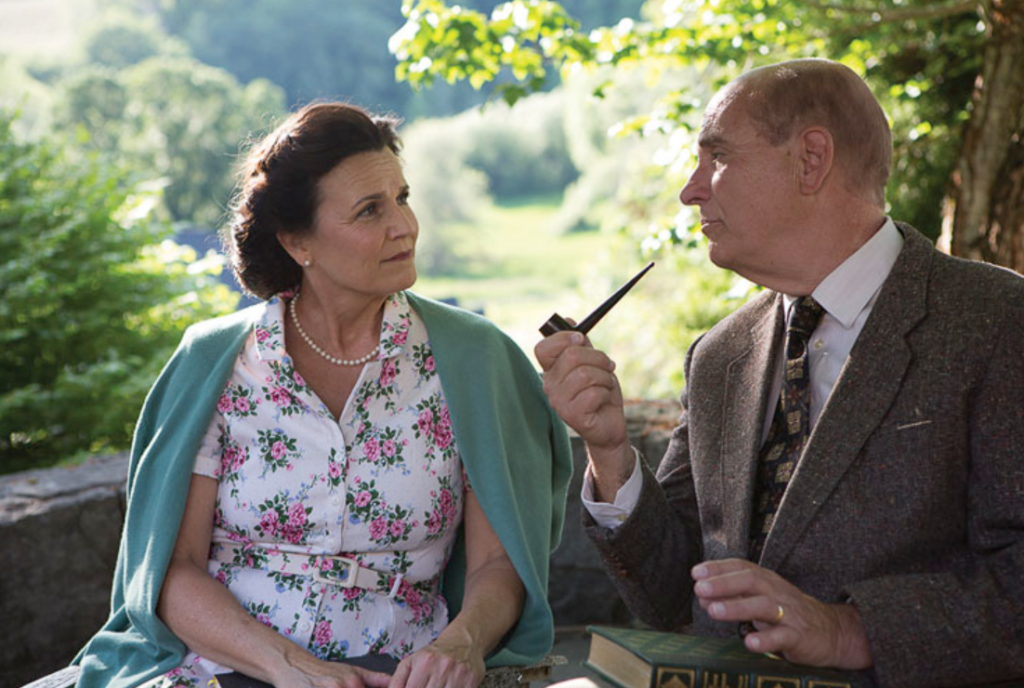
Joy Davidman
Joy Davidman was an American poet, novelist, and essayist who is widely recognized for her profound influence on renowned British author C. S. Lewis. Born in New York City in 1915, she established herself as a talented writer long before meeting Lewis, winning the prestigious Yale Younger Poets Award for her poetry. Initially an atheist and active in political circles, Davidman later converted to Christianity, a transformation that eventually led to her correspondence and later marriage with Lewis. Beyond being known as Lewis’s wife, Joy Davidman was an accomplished intellectual whose insights, literary talent, and personal relationship significantly shaped Lewis’s later writings and left a lasting mark on twentieth-century Christian literature.
Joy Davidman’s Early Literary Career
Before becoming associated with C. S. Lewis, Joy Davidman had already built an impressive literary reputation in the United States. A gifted student from an early age, she earned a master’s degree in English literature from Columbia University and quickly emerged as a promising writer. Her poetry collection Letter to a Comrade won the prestigious Yale Younger Poets Award in 1938, bringing her national recognition and establishing her as a serious literary voice. During this period, her writing often reflected her social and political interests, showcasing both intellectual depth and strong emotional expression.
As her career progressed, Davidman expanded her work beyond poetry into novels, essays, and religious writings. She authored several notable books, including Anya and Smoke on the Mountain, demonstrating her versatility as a writer. Over time, her growing interest in spirituality began to influence her work, leading to themes of faith, morality, and personal transformation. These intellectual and spiritual developments not only shaped her own literary legacy but also prepared the foundation for the remarkable partnership she would later share with C. S. Lewis.
How Joy Davidman Met C. S. Lewis
Joy Davidman first met C. S. Lewis through correspondence rather than in person. After experiencing a profound conversion to Christianity in the late 1940s, Davidman began reading Lewis’s theological works and was deeply influenced by his ideas. In 1950, she wrote a letter to Lewis expressing her appreciation for his writings, and the two soon developed a regular exchange of letters. Their correspondence revealed a strong intellectual connection based on shared interests in literature, theology, and faith. In 1952, Davidman traveled to England and met Lewis face-to-face, marking the beginning of a close friendship that eventually evolved into one of the most significant relationships in Lewis’s life.
The Intellectual Partnership Between Joy Davidman and C. S. Lewis
The relationship between Joy Davidman and C. S. Lewis was built on far more than romance; it was a remarkable intellectual partnership grounded in mutual respect and shared curiosity. Both were accomplished writers with sharp analytical minds, and their conversations often revolved around literature, theology, philosophy, and human nature. Lewis greatly admired Davidman’s intelligence, wit, and ability to challenge his ideas. Unlike many of his contemporaries, she was unafraid to question his assumptions, leading to thoughtful discussions that broadened his perspectives and refined his thinking.
Their collaboration extended into Lewis’s writing process as well. Davidman frequently reviewed drafts of his manuscripts, offering constructive criticism and editorial suggestions. Many scholars believe that her insights helped Lewis communicate complex theological concepts with greater clarity and emotional depth. This exchange of ideas enriched the work of both writers and demonstrated that their relationship was one of genuine intellectual equality, making Joy Davidman an essential influence on Lewis’s later achievements.
Joy Davidman’s Influence on C. S. Lewis’s Writing
Joy Davidman had a profound influence on C. S. Lewis’s later writings, particularly by introducing greater emotional depth and realism into his work. As an accomplished writer herself, she offered valuable feedback on Lewis’s manuscripts and encouraged him to express personal experiences more openly. Scholars often suggest that Davidman’s presence influenced works such as Till We Have Faces, which explores themes of love, suffering, sacrifice, and transformation with a level of emotional complexity rarely seen in Lewis’s earlier writings. Her intellectual companionship and personal relationship helped Lewis develop a richer understanding of human relationships, ultimately shaping both the content and tone of some of his most celebrated literary works.
The Personal Transformation of C. S. Lewis After Marriage
Marriage to Joy Davidman brought significant personal changes to C. S. Lewis, who had spent most of his adult life as a bachelor. Initially, their civil marriage was arranged largely for practical reasons so that Davidman could remain in England, but their relationship gradually deepened into a genuine and loving partnership. Through their life together, Lewis experienced a new level of emotional intimacy and companionship that enriched his understanding of love, family, and commitment. Friends and colleagues noticed that he became more open, compassionate, and emotionally expressive during this period.
Davidman’s battle with cancer further transformed Lewis’s outlook on life and faith. Witnessing her suffering and eventual death forced him to confront profound questions about grief, pain, and the nature of God’s love. These experiences inspired some of his most personal writings, particularly A Grief Observed, in which Lewis candidly reflected on loss and mourning. The emotional journey he shared with Joy Davidman ultimately deepened both his personal faith and his literary voice.
Joy Davidman’s Last Years and Their Lasting Impact
The final years of Joy Davidman‘s life were marked by both profound happiness and immense hardship. Shortly after marrying C. S. Lewis, she was diagnosed with bone cancer, a struggle that deeply affected both of them. Although her condition temporarily improved, allowing the couple to enjoy several meaningful years together, the cancer eventually returned. Davidman passed away in 1960 at the age of 45, leaving Lewis devastated. Despite her relatively short life, her influence endured through the personal and intellectual transformation she inspired in Lewis, shaping his later works and leaving a lasting legacy in literary and Christian circles.
The Enduring Literary Legacy of Joy Davidman
The literary legacy of Joy Davidman extends far beyond her role as the wife of C. S. Lewis. Although she is often remembered because of her relationship with Lewis, Davidman was an accomplished author in her own right whose poetry, novels, and essays continue to attract scholarly attention. Her works explored complex themes such as faith, identity, morality, and human suffering, reflecting both her intellectual depth and personal experiences. Modern researchers and literary critics increasingly recognize her contributions as significant achievements that deserve appreciation independent of Lewis’s fame.
Davidman’s influence also continues through the enduring popularity of C. S. Lewis’s later writings. Many scholars argue that her intellectual partnership and emotional support helped shape some of Lewis’s most profound works, particularly those dealing with love, grief, and spiritual growth. Books, biographies, academic studies, and adaptations such as Shadowlands have further introduced new generations to her story. As a result, Joy Davidman remains an important literary figure whose impact can still be seen in both her own writings and the lasting legacy of C. S. Lewis.
Conclusion
Joy Davidman was far more than a supporting figure in the life of C. S. Lewis; she was a gifted writer, intellectual partner, and source of profound personal inspiration. From her early literary achievements to her deep influence on Lewis’s later works, Davidman played a crucial role in shaping both his life and literary legacy. Their relationship transformed Lewis emotionally and spiritually, leaving a lasting impact on some of his most celebrated writings. Today, Joy Davidman continues to be remembered not only for her connection to Lewis but also for her own significant contributions to literature and Christian thought.
FAQs
1. Who was Joy Davidman?
Joy Davidman was an American poet, novelist, and essayist best known for her marriage to C. S. Lewis and her influence on his later writings.
2. How did Joy Davidman meet C. S. Lewis?
Joy Davidman first contacted C. S. Lewis through letters in 1950 after reading his Christian works, and they later met in person in England.
3. Did Joy Davidman influence C. S. Lewis’s books?
Yes, many scholars believe that Joy Davidman significantly influenced Lewis’s later works by providing intellectual feedback and emotional inspiration.
4. What is Joy Davidman most famous for?
Joy Davidman is most famous for being an accomplished writer and for her influential relationship and marriage with C. S. Lewis.
About The Author